












By AMHG Magazine – Where Culture Meets Compassion
Across Ontario, a painful truth continues to surface — Black parents are being disproportionately drawn into the child-welfare system, facing scrutiny, investigations, and family separations at rates far higher than their white counterparts. For many families, this isn’t just a statistic; it is a lived experience marked by fear, confusion, and a deep sense of injustice.
As one Toronto mother shared, “You’re terrified to ask for help because you don’t know if they’re coming to support you — or take your child.”
This article unpacks the core issues driving this long-standing inequity, explores the roots of the problem, and highlights how communities are fighting to protect Black families with compassion, dignity, and cultural truth.
1. Over-Representation: When One Community Is Watched More Closely
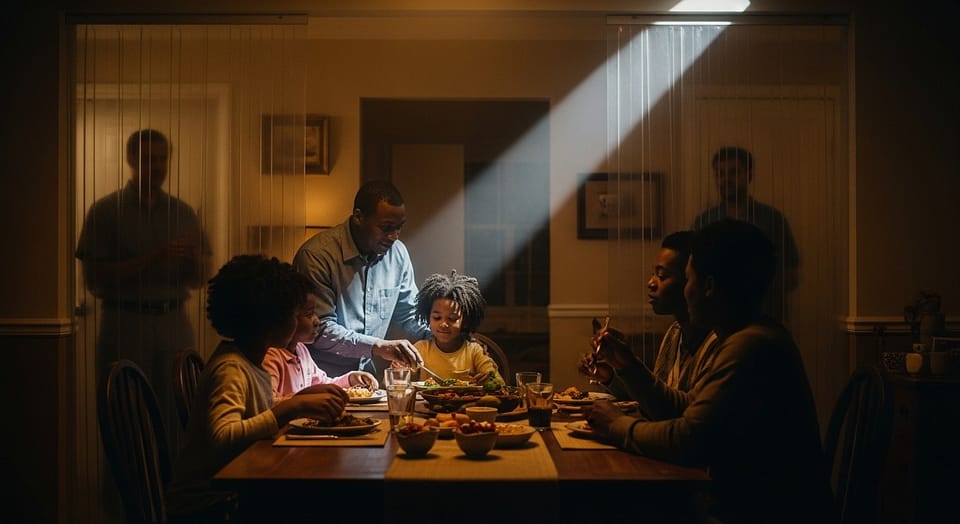
Research across the province consistently shows that Black families are investigated more often — not because of greater harm, but because of greater scrutiny. In some Ontario regions, Black children are more than twice as likely as white children to be involved in child-welfare investigations.
Dr. Karen Clarke, a social-work researcher and advocate, explains:
“Over-representation is not accidental. It is the predictable outcome of systems built without Black families in mind. When bias shapes decision-making, even everyday parenting can be misinterpreted as risk.”
From reports filed by schools, to biased risk-assessment tools, to workers entering homes already holding stereotypes — the system often operates like a spotlight aimed more intensely at Black households.
The outcome?
More files opened.
More monitoring.
More families living in fear.
2. Systemic Anti-Black Racism: The Problem Beneath the Problem
To understand today’s child-welfare inequities, we must acknowledge their roots.
Ontario’s child-welfare system was built on Eurocentric norms: nuclear families, rigid parenting styles, limited allowance for extended family involvement, and little room for cultural variation. But Black families — often communal, multi-generational, and shaped by migration and resilience — don’t always fit that mold.
And when families don’t fit the mold, they are too often labelled as “high risk.”
A former CAS worker, speaking anonymously, shared:
“Black families are watched more closely, judged more harshly, and supported less. The system has good people — but it also has racial blind spots the size of institutions.”
This racism shows up subtly:
- Stricter interpretations of discipline
- Assumptions about aggression or neglect
- Misunderstanding of cultural communication styles
- Biases shaped by media stereotypes
And it shows up structurally:
- Risk-assessment tools that penalize poverty
- Policies that don’t recognize informal caregiving
- Limited Black leadership inside CAS agencies
- A shortage of culturally aligned supports
The result is a system where Black parents must defend their love, their home, and their culture in ways others never have to.
3. Poverty Misread as Neglect
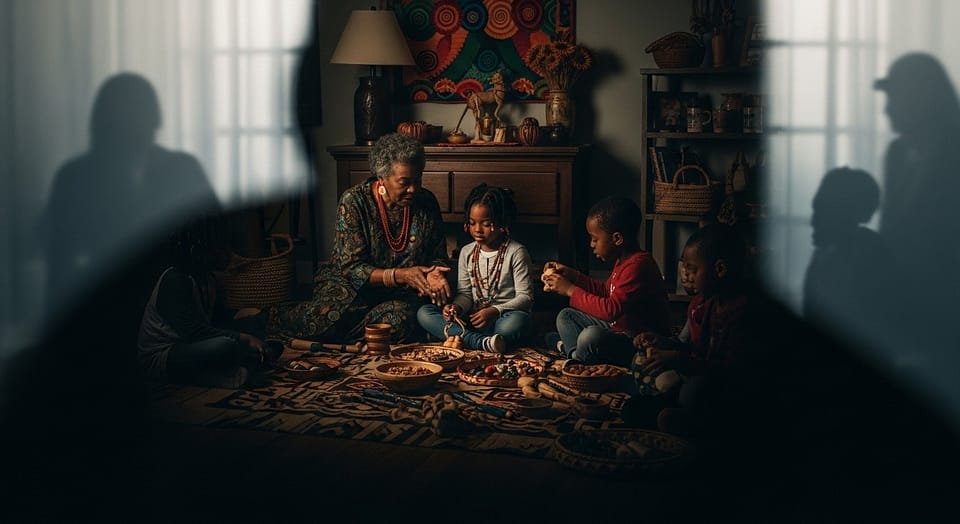
Poverty is not neglect.
Lack of resources is not lack of love.
But the system does not always make that distinction.
Black families — especially newcomers — are more likely to face:
- High housing costs
- Underemployment
- Single-parent household pressures
- Food insecurity
- Limited access to childcare
Instead of receiving support, too many families receive scrutiny.
A community advocate from Scarborough put it plainly:
“If you’re white and struggling, you’re seen as needing support. If you’re Black and struggling, you’re seen as a risk.”
By treating socioeconomic challenges as parenting failures rather than systemic barriers, the child-welfare system often punishes families for the very conditions they need help navigating.
4. Lack of Cultural Understanding
Black families raise their children with values shaped by heritage, faith, migration, and collective care — but many child-welfare workers have limited training in African, Caribbean, or Black-Canadian cultural norms.
This gap can turn small misunderstandings into major investigations:
- A grandmother acting as primary caregiver, without formal paperwork
- Communal discipline styles
- Protective parenting viewed as “strictness”
- Children staying with extended family during shift-work
- Strong church involvement misread as “isolation”
When culture is misunderstood, support becomes surveillance.
5. Historical Trauma and Community Mistrust

For generations, families from African and Caribbean backgrounds have endured systems that removed children as a tool of control — from slavery to immigration policing to discriminatory child-welfare practices.
That history lingers.
Many Black parents fear contacting CAS even when they urgently need support:
- postpartum depression
- behavioural challenges
- financial hardship
- safety issues
- housing instability
The fear of losing a child is so powerful that families may avoid services, turning manageable challenges into crises.
As one father in Peel Region shared:
“We don’t reach out because we know the system isn’t neutral. We protect our kids by staying away.”
This deep mistrust harms families — and reflects a system that has not earned community confidence.
6. The Emotional Toll on Parents and Children
Behind every file number is a family story:
A mother who worries every time the phone rings.
A father who feels his parenting is on trial.
A child caught between love and institutional oversight.
The emotional impact includes:
- Anxiety
- Shame
- Cultural identity loss
- School disruption
- Strained relationships
- Trauma that follows children into adulthood
When Black families repeatedly experience interference from child welfare, it becomes more than an institutional issue — it becomes a public-health crisis.
Where Do We Go From Here?

We cannot talk about health equity without addressing family stability, cultural safety, and community trust.
To create change, Ontario needs:
- Culturally grounded parenting supports
- More Black leadership within CAS agencies
- Mandatory anti-racism and anti-bias training
- Proper race-based data collection
- Policies that clearly separate poverty from neglect
- Partnerships with Black-led organizations
- Pathways that prioritize family preservation over removal
Communities are already pushing for these changes — but sustained momentum requires all sectors working together: health, education, social services, justice, and community leaders.
A Call to Action: Protecting Black Families, Protecting Our Future
Black parents deserve systems that recognize their strength, honour their culture, and support their children’s growth — not systems that punish them for surviving within inequity.
At AMHG, we believe in the power of truth, advocacy, and collective action.
To every parent affected:
You are not alone. Your story matters. Your family deserves safety, dignity, and respect.
To our allies and professionals:
Speak up. Step in. Challenge bias. Protect Black families.
And to our community:
Let’s build a future where support replaces surveillance, and every child grows up wrapped in culture, care, and belonging.
Health professional? Join the AMHG Contributors Team—share your expertise, elevate your voice, and help empower Black communities with life-changing, culturally rooted health guidance.