






1.0 The Public Health Landscape in the Wake of Hurricane Melissa
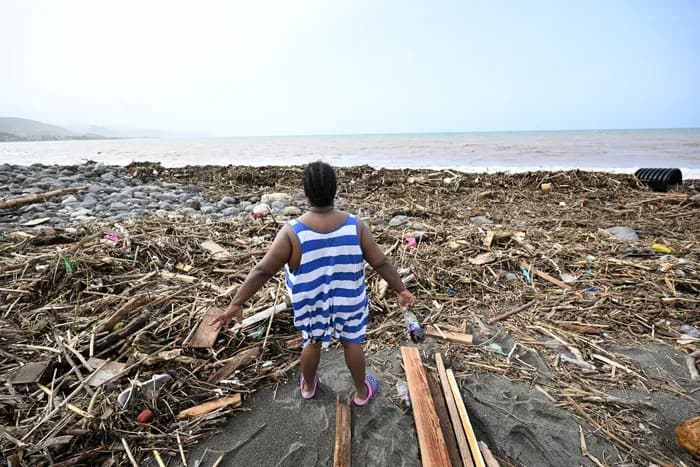
The landfall of Hurricane Melissa, a catastrophic Category 5 storm, on October 28, 2025, was not merely a meteorological event; it was the catalyst for a multi-faceted public health crisis across the Caribbean, with Jamaica bearing the most severe impact. The storm’s destructive force has transitioned into a complex emergency characterized by environmental contamination, mass displacement, and the critical degradation of essential health infrastructure. This report dissects the immediate and long-term health risks confronting Jamaica, providing an evidence-based analysis to guide strategic intervention by humanitarian agencies, public health authorities, and international partners. This assessment provides an evidence-based analysis of these cascading threats to inform strategic resource allocation and operational planning for a coordinated, resilient, and adequately funded response.
The storm’s immediate human cost in Jamaica has been significant, straining national response capacities and underscoring the urgent need for external support. The following table synthesizes the primary humanitarian impact metrics as of late November 2025.
| Metric | Number | Date of Report |
| Deaths | 45 | November 19, 2025 |
| Missing Persons | 15 | November 19, 2025 |
| Injured Individuals | 253 | November 19, 2025 |
| Individuals in Shelters | 1,358 | November 19, 2025 |
Note: Data from Pan American Health Organization (PAHO), Situation Report No. 4, published 19 November 2025.
Beyond these immediate figures, the hurricane inflicted a critical and debilitating blow to the region’s health infrastructure, creating systemic vulnerabilities that amplify all subsequent health risks.
2.0 Health System Shock: Assessing the Collapse of Essential Services
A functional health infrastructure is the bedrock of any effective post-disaster response, serving as the primary line of defense against disease outbreaks and providing life-sustaining care. Its compromise initiates a cascading failure across the public health system, amplifying the risk of infectious diseases, disrupting the management of chronic conditions, and hindering the capacity for early warning and response. The damage wrought by Hurricane Melissa has pushed Jamaica’s health system into a state of acute shock, severely limiting its ability to serve a population at its most vulnerable.
The scope of the damage is extensive. A total of 134 health facilities across Jamaica have reported damage, with five major hospitals suffering severe impacts that compromise tertiary and specialized care. These critical facilities are:
• Black River Hospital
• Falmouth Hospital
• Cornwall Regional Hospital
• Noel Holmes Hospital
• Savanna-la-Mar Hospital
The loss of primary care capacity is particularly alarming, with 75 health centers rendered inoperable. This disruption is heavily concentrated in the regions most exposed to the hurricane’s environmental aftermath. The Southern Regional Health Authority has seen 31% of its health centers become inoperable, while the Western Regional Health Authority reports a 12% loss of capacity. This geographic concentration of damage means that the populations at highest risk from flood-related diseases are simultaneously cut off from their most immediate and essential sources of care.
Beyond the physical destruction of buildings, the health system is contending with systemic operational failures that cripple its remaining functions. Critical challenges include:
• Power and Water Instability: Most health facilities in the Southern and Western regions are operating without a continuous power supply, creating a constant demand for generator fuel. Furthermore, the majority of health centers in these hard-hit regions depend on tanks and trucked water, a logistical challenge that complicates sanitation and hygiene.
• Biomedical Equipment and Waste: In the five most severely damaged hospitals, an estimated 64% of available biomedical equipment is unserviceable and requires replacement. Compounding this, multiple hospitals report significant problems with the safe storage and disposal of medical waste, posing a secondary biohazard risk.
• Human Resource Strain: The storm’s impact on the healthcare workforce itself cannot be overstated. More than 1,600 health workers have been severely affected, with more than 200 reporting complete loss of housing, while others report varying levels of damage to homes or property. This personal crisis directly impacts workforce availability and places immense strain on the personnel needed to staff the emergency response.
This crippled state of the health system has created a vacuum in care and surveillance, leaving the population dangerously exposed to the imminent threat of infectious disease outbreaks.
3.0 Primary Infectious Disease Threats: A Multi-Vector Analysis
The environmental conditions created by Hurricane Melissa have transformed large areas of Jamaica into ideal breeding grounds for infectious pathogens. Widespread, prolonged flooding, the contamination of water sources with human and animal waste, and the breakdown of sanitation systems have converged to elevate the risk of water-borne, vector-borne, and respiratory diseases. The public health response is now in a race against time to contain an active bacterial outbreak while preparing for a predictable surge in vector-borne disease anticipated in the coming weeks as mosquito populations proliferate.
3.1 Water- and Soil-Borne Outbreaks: The Leptospirosis Crisis
The most immediate and severe infectious disease threat is the confirmed outbreak of leptospirosis in Jamaica, officially declared by the Minister of Health and Wellness. This bacterial disease is a direct consequence of post-hurricane conditions, with transmission occurring through exposure to water and soil contaminated by the urine of infected animals, particularly during cleanup activities in flooded areas.
The epidemiological profile of the outbreak is deeply concerning:
• Confirmed Cases: 9 to 11
• Suspected Cases: 28
• Suspected Deaths: 6
The public health response, leveraging support from regional partners, has focused on rapidly enhancing local diagnostic capacity to guide clinical management and containment. The Caribbean Public Health Agency (CARPHA) and the Pan American Health Organization (PAHO) mobilized critical laboratory support for the Ministry of Health and Wellness. This included the deployment of Molbio Quatro PCR Point of Care (POC) instruments, which allow for rapid testing and early detection of the pathogen within two hours. To build local capacity, 19 laboratory personnel have been trained in the use of this essential diagnostic technology.
3.2 Vector-Borne Disease Potential: The Anticipated Dengue Surge
A major vector-borne disease outbreak, primarily dengue fever, is an impending and highly probable threat. Before the hurricane, Jamaica was experiencing a low-activity dengue season, with only 379 cases reported year-to-date in 2025, compared to 1,819 cases during the same period in 2024. However, the storm has radically altered this risk profile. The vast expanses of stagnant, standing water left by the floods have created pervasive breeding grounds for the Aedes aegypti mosquito, the primary vector for dengue.
Mitigation efforts face a severe operational challenge. The national vector-control capacity is severely reduced, with more than 70% of staff personally affected by the hurricane, limiting their ability to conduct essential fogging and larviciding operations. This confluence of ideal breeding conditions and diminished control capacity makes a significant surge in dengue cases highly likely. The risk also extends to other endemic arboviruses transmitted by the same mosquito, including Chikungunya and Zika.
3.3 Respiratory Illness Risk in Displaced Populations
The displacement of more than 1,358 people into 100 shelters has created conditions of overcrowding that significantly elevate the risk of respiratory illness transmission, including Influenza, Respiratory Syncytial Virus (RSV), and SARS-CoV-2.
This local risk is amplified by the regional epidemiological context. A PAHO epidemiological alert issued in April 2025 (EW 13) indicated that the Caribbean was already experiencing high but declining influenza activity, coupled with increases in SARS-CoV-2 circulation. In overcrowded shelters with stressed sanitation facilities, the potential for a localized respiratory outbreak to rapidly escalate is a serious concern that will further tax the strained healthcare system.
The convergence of these immediate infectious threats marks only the first wave of the crisis. Beyond these acute events lies a more prolonged, systemic health emergency often referred to as the “second disaster.”
4.0 Cascading Crises: Analyzing Secondary Health Threats
The concept of the “second disaster” refers to the wave of morbidity and mortality that occurs in the weeks and months following a natural disaster, driven not by the storm itself but by the systemic collapse of essential services. Beyond the immediate threat of infections, the long-term health impacts stemming from disruptions to chronic care, supply chains, and mental well-being can result in significant, though less visible, suffering and loss of life.
4.1 Disruption of Non-Communicable Disease (NCD) Management
Patients with chronic conditions such as diabetes, hypertension, and respiratory ailments face a critical and life-threatening situation. The widespread power instability across the health system has severely compromised the medical cold chain, placing temperature-sensitive medicines like insulin and vaccines at immediate risk. In a crucial intervention, PAHO and the World Food Programme (WFP) have jointly deployed a pharmaceutical-grade refrigerated container and a 16 kVA diesel generator to Mandeville Regional Hospital to help stabilize this fragile supply line.
Despite these efforts, access to routine care and essential medications remains a major challenge. The U.S. State Department has issued an advisory highlighting that common medications, including insulin, can be difficult to obtain. For thousands of Jamaicans dependent on these therapies, this disruption represents a direct threat to life and well-being.
4.2 The Mental Health and Psychosocial Burden
The trauma, loss, and displacement caused by Hurricane Melissa have generated significant mental health and psychosocial support (MHPSS) needs across the affected population. Addressing this psychological burden is a critical component of the public health response.
A coordinated effort is underway to meet this demand. An MHPSS Post Melissa Action Plan has been drafted, and PAHO has deployed a dedicated MHPSS expert to support the Ministry of Health and Wellness. To provide immediate and accessible support, the NEW LIFE 24/7 helpline (888-NEW-LIFE) has been established to receive hurricane-related calls, complementing other general emergency lines such as 888-ONE-LOVE. Furthermore, professional associations are mobilizing psychologists to provide targeted support to frontline healthcare workers and hard-hit communities.
The comprehensive response to these cascading health crises requires robust coordination among national authorities and international partners to mitigate the storm’s devastating long-term consequences.
5.0 Coordinated Public Health Response and Mitigation
The public health response to Hurricane Melissa is being driven by a multi-agency framework, emphasizing close collaboration between the Government of Jamaica and its regional and international partners. This coordinated effort aims to address the complex, overlapping health emergencies through targeted technical support, logistical mobilization, and strategic resource allocation.
The primary responding agencies have undertaken a series of key actions to stabilize the health sector and protect vulnerable populations:
• Government of Jamaica (Ministry of Health & Wellness): The Ministry has led the national response, beginning with the official declaration of the leptospirosis outbreak—a critical step that enables a faster, more coordinated public health mobilization. This was immediately followed by the issuance of public health advisories on safety precautions, such as urging residents to wear protective boots and avoid contact with floodwater. Concurrently, the Ministry has initiated enhanced vector control measures, including fogging and larviciding, to mitigate the anticipated surge in mosquito-borne diseases.
• Pan American Health Organization (PAHO/WHO): As the leader of the health cluster, PAHO has taken a central role in coordinating the international response. The organization has deployed 12 international experts to Jamaica to provide technical support in areas such as structural engineering, mental health, and epidemiology. To address the significant funding gap, PAHO issued a donor alert to mobilize US14.2million∗∗,withastrategicallocationof∗∗US10.2 million specifically earmarked to restore essential care delivery and rehabilitate damaged health services.
• Caribbean Public Health Agency (CARPHA): CARPHA has provided indispensable laboratory support to Jamaica, a critical component of the infectious disease response. Leveraging a grant from its Pandemic Fund, the agency supplied rapid PCR test kits and technical expertise to confirm the leptospirosis outbreak, enabling timely case identification and clinical management.
• Other Partners: The World Food Programme (WFP) collaborated with PAHO to provide a refrigerated container and generator, a crucial intervention to protect the integrity of the medical cold chain. In parallel, WaterStep has deployed 320 BleachMakers to health facilities, enabling the local production of medical-grade disinfectant from just salt, water, and power, thereby building resilience in sanitation and hygiene even with disrupted supply chains.
6.0 Conclusion: Key Vulnerabilities and Strategic Outlook

This comprehensive, multi-partner response is addressing the most acute needs while simultaneously laying the groundwork for recovery, though significant vulnerabilities remain that require a sustained strategic focus.
This risk assessment concludes that the public health crisis in Jamaica following Hurricane Melissa is defined by a dual threat: an active and deadly water-borne disease outbreak, compounded by a severely degraded health system that is highly vulnerable to a predicted surge in vector-borne diseases. The swift and coordinated response by national and international partners has been critical in containing immediate risks, but the underlying systemic damage presents profound, ongoing challenges.
For humanitarian organizations and public health stakeholders, the following critical vulnerabilities demand immediate and sustained strategic attention:
1. Crippled Primary Care Network: The 75 inoperable primary health centers, particularly those concentrated in the hard-hit Southern and Western regions, represent the single greatest obstacle to effective public health operations. This gap cripples disease surveillance, prevents early treatment of infectious diseases, and severs the lifeline for thousands of patients requiring routine management of chronic conditions.
2. Imminent Vector-Borne Epidemic: The post-hurricane environment of widespread stagnant water creates a near-certainty of a significant dengue surge. This impending epidemic will place immense strain on the few functioning hospitals, compete for scarce resources with the ongoing leptospirosis response, and test the limits of a diminished vector-control workforce.
3. Fragile Lifelines for Chronic Patients: The precarious state of the national power grid and its impact on the medical cold chain continue to pose a life-threatening risk to patients with non-communicable diseases. This disruption is a significant source of potential “excess deaths” in the coming months, a silent consequence of the storm’s long-term impact on health system functionality.
Moving forward, it is imperative that donor funding and humanitarian efforts are directed not only toward immediate relief but also toward the strategic objective of building long-term resilience. Investment in restoring and hardening Jamaica’s primary care network, reinforcing its power and water infrastructure, and strengthening its disease surveillance systems is essential to mitigate the devastating health impacts of future climate-related disasters.