











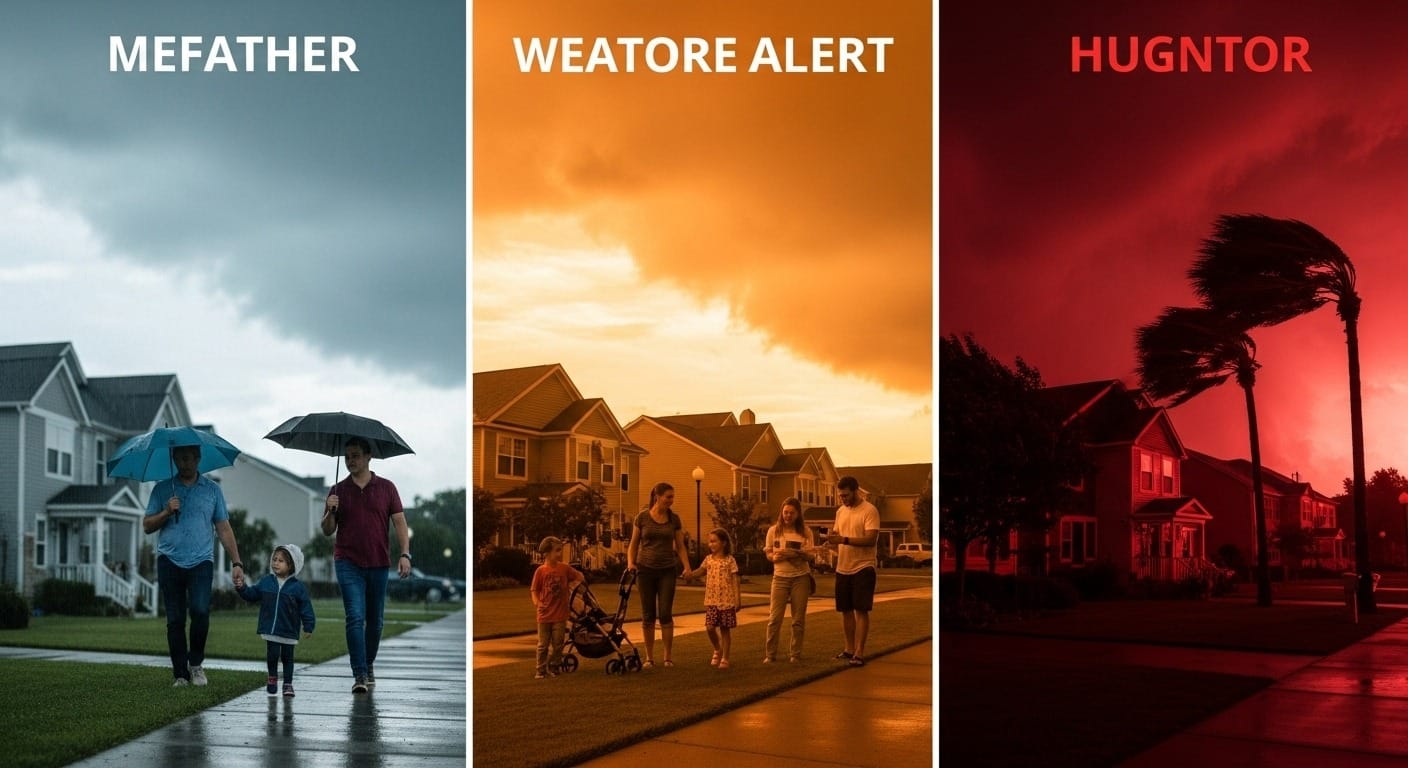
Severe weather in Canada is changing fast. Storms are stronger
Severe weather in Canada is changing fast. Storms are stronger. Heat waves last longer. Floods arrive with little warning. These shifts are driven by a warming climate, and they are putting more people at risk every year.
As emergency management professionals, our job is simple but critical. We must provide people with clear, fast, and reliable information. This helps them protect themselves and their families.
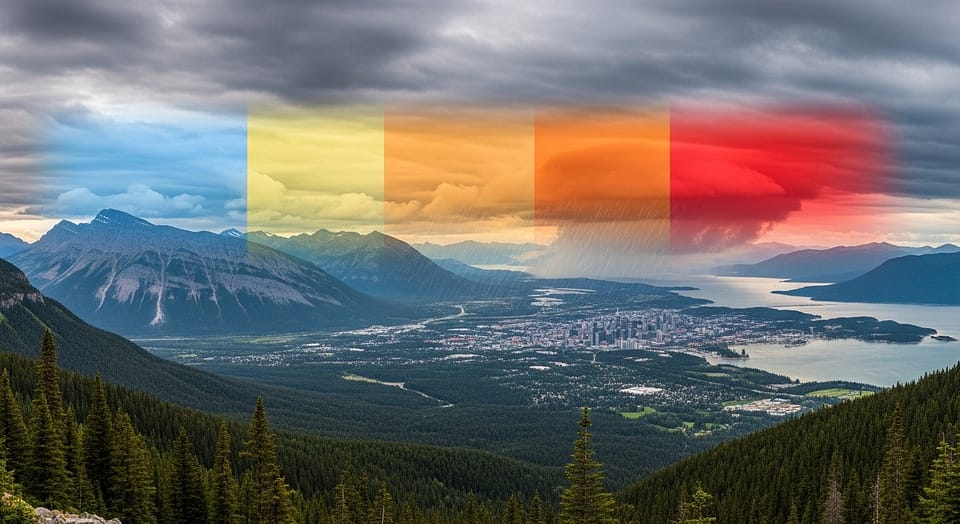
The Government of Canada has responded to the growing danger. Through Environment and Climate Change Canada (ECCC), it has modernized its national weather alert system. The new system uses color-coded alerts that make warnings easier to understand at a glance. This approach aligns Canada with global best practices. It helps everyone better understand what the weather will do. It’s not just about what the weather will be.
ECCC now assigns a color—Yellow, Orange, or Red—to its traditional alerts (Warnings, Advisories, and Watches). Each color signals how serious the situation is and what people should do next.
🟡 Yellow Alerts — Be Ready
Yellow alerts are the most common.
They mean the weather may cause damage, delays, or health issues. Impacts are usually moderate and short-term, but they can still affect your day.
You may continue your usual routine, but you should stay aware and plan for possible disruption.
The Color System: What Each Alert Means
🟠 Orange Alerts — Take Action
Orange alerts are less frequent and point to more severe dangers.
They warn that the weather is likely to cause major disruption, serious damage, and possible health risks.
Impacts can be widespread and may last for days.
During an Orange alert, you should strongly consider changing your plans. You should also take steps to protect your property and your safety.
🔴 Red Alerts — Life-Threatening Danger
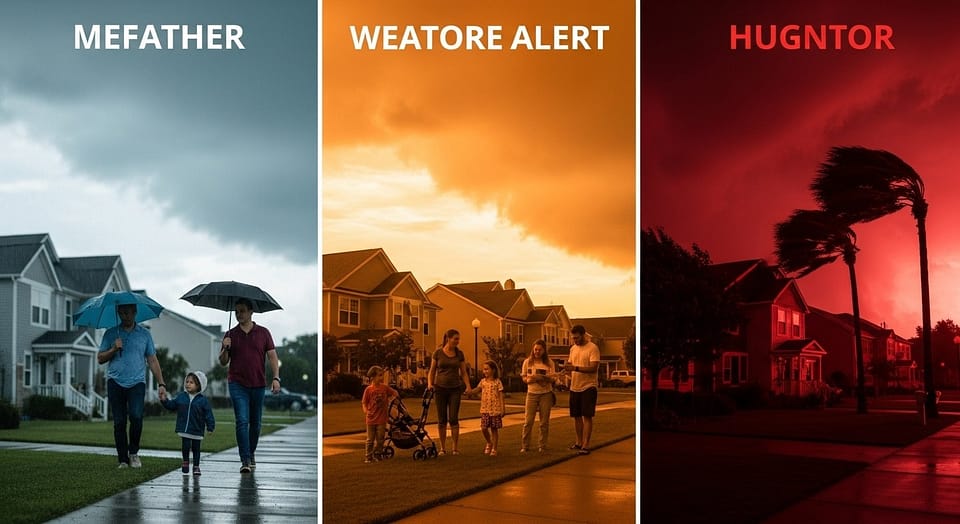
Red alerts are rare and represent the highest threat level.
These alerts mean very dangerous weather is expected to cause extreme damage and long-lasting disruption.
Events that would reach this level include:
- The 1998 ice storm in Ontario and Quebec
- The 2021 atmospheric river in British Columbia that destroyed highways
- The 2020 “snowmageddon” storm in St. John’s, Newfoundland
How Meteorologists Choose the Colors
ECCC uses a detailed tool called the Alert Colour Matrix.
Meteorologists combine:
- The latest weather models
- Real-time observations
- Forecast confidence
- Specialized Impact Guides
When a Red alert is issued, lives are at risk. People must act immediately.
These Impact Guides help experts describe how weather will affect communities in six key areas:
- Daily life
- Travel
- Utilities and services
- Land and structures
- Human health
- Community recovery
This system helps shift the focus. It moves from numbers (like 50 cm of snow) to real-life impacts (such as blocked roads or power outages).
It is important to remember: even moderate weather can be dangerous.
What Impacts Look Like: How Weather Escalates
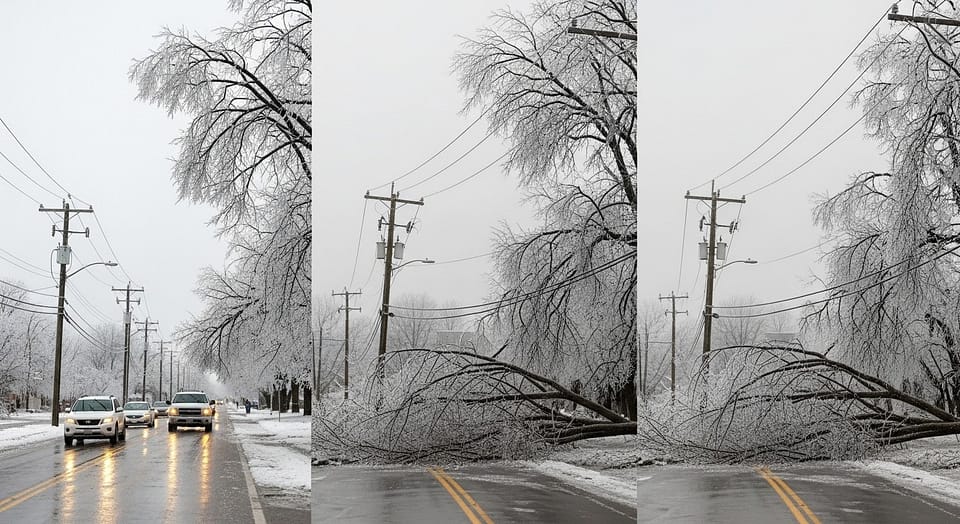
Ice Storms and Freezing Rain
Ice is one of Canada’s most damaging hazards.
Moderate impact:
- Travel delays
- Small power outages
- Minor property damage
- Higher risk of slips and falls
High impact:
- Widespread outages
- Major travel delays and multiple collisions
- Significant damage from falling trees
Extreme impact:
- Collapsing utility poles and towers
- City-wide, long-lasting outages
- Travel becoming impossible and extremely unsafe
- Heavy damage to critical infrastructure
Extreme Heat
Heat can be just as deadly.

Moderate impact:
- Higher risk of illness or death
- Risk of brownouts and power outages
Extreme impact:
- Severe, prolonged danger to health
- Widespread travel disruption
- Utilities overwhelmed or damaged
- Homes and buildings suffering structural problems
Extreme heat events have become more common in Canada. Understanding these alerts can save lives.
Building a Safer Future
It could be a coastal flood, a violent thunderstorm, or a crippling winter ice storm. Understanding what each color means gives Canadians a better chance to stay safe.
This new system aims to give every person in Canada clear, simple, and actionable information.
You can stay informed by visiting Canada.ca/Weather or downloading the WeatherCAN mobile app.
Preparedness begins with awareness.
And awareness begins with communication that is clear, fast, and easy to understand.
Canada’s color-coded alert system gives us the shared language we need. It helps us face a changing climate. Together, we can build a more resilient future.
Like, share, and subscribe to AMHG Magazine—because knowledge heals, stories inspire, and truth transforms. Every click fuels a movement where culture meets courage, and wellness becomes power. Don’t just watch change—be the heartbeat behind it.