




By Camila Fernandez
There was a time when “medicine” meant reassurance: a white coat, a steady hand, a promise of healing. Today, many caregivers feel a sense of underlying concern. Not an alarm, but a subtle worry that true health is slipping away, obscured by complexity and commercialization. By the time a child enters the medical system, too much power has already shifted out of their hands. A quiet revolution is beginning—not in clinics, but at home. The driving question: What if we could empower children with health knowledge before medical intervention is ever needed? Welcome to a new era of play, where toys aren’t just distractions—they are the building blocks of lifelong wellness.
Beyond the Toy Box: Why Caregivers Are Rethinking “Play”
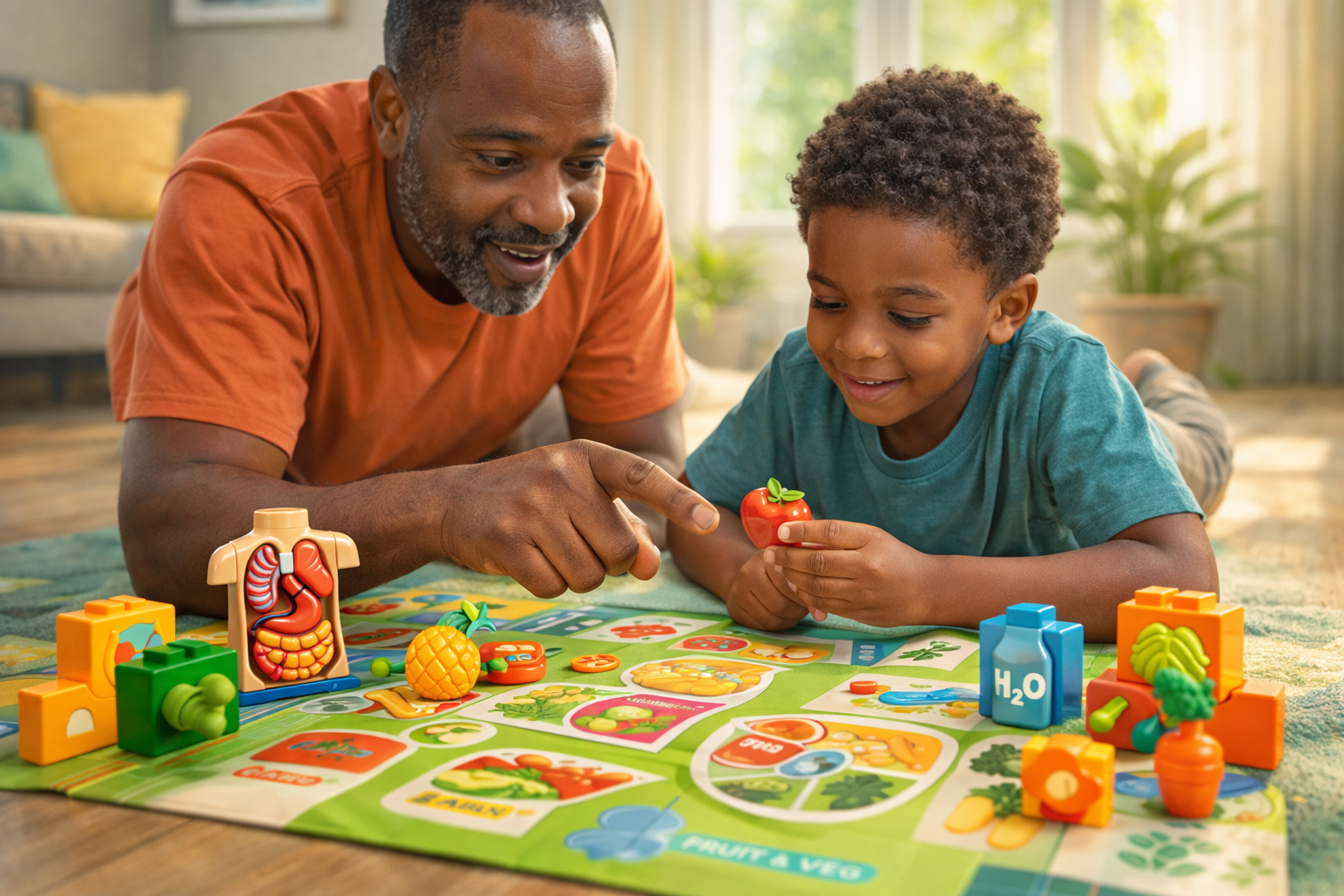
It starts with a fresh perspective. Today’s caregivers recognize: health literacy is power. When children understand their bodies, emotions, food, and data, they grow up less fearful, less dependent, and far more capable of advocating for themselves. “What children learn casually, they carry confidently.” The gifts redefining playtime today aren’t about instant gratification. They’re about building biological capital—the ability to understand, protect, and steward one’s own health in a complex world. Let’s look at six ways play is quietly becoming a form of prevention.
1. Anatomy Is the New Action Figure
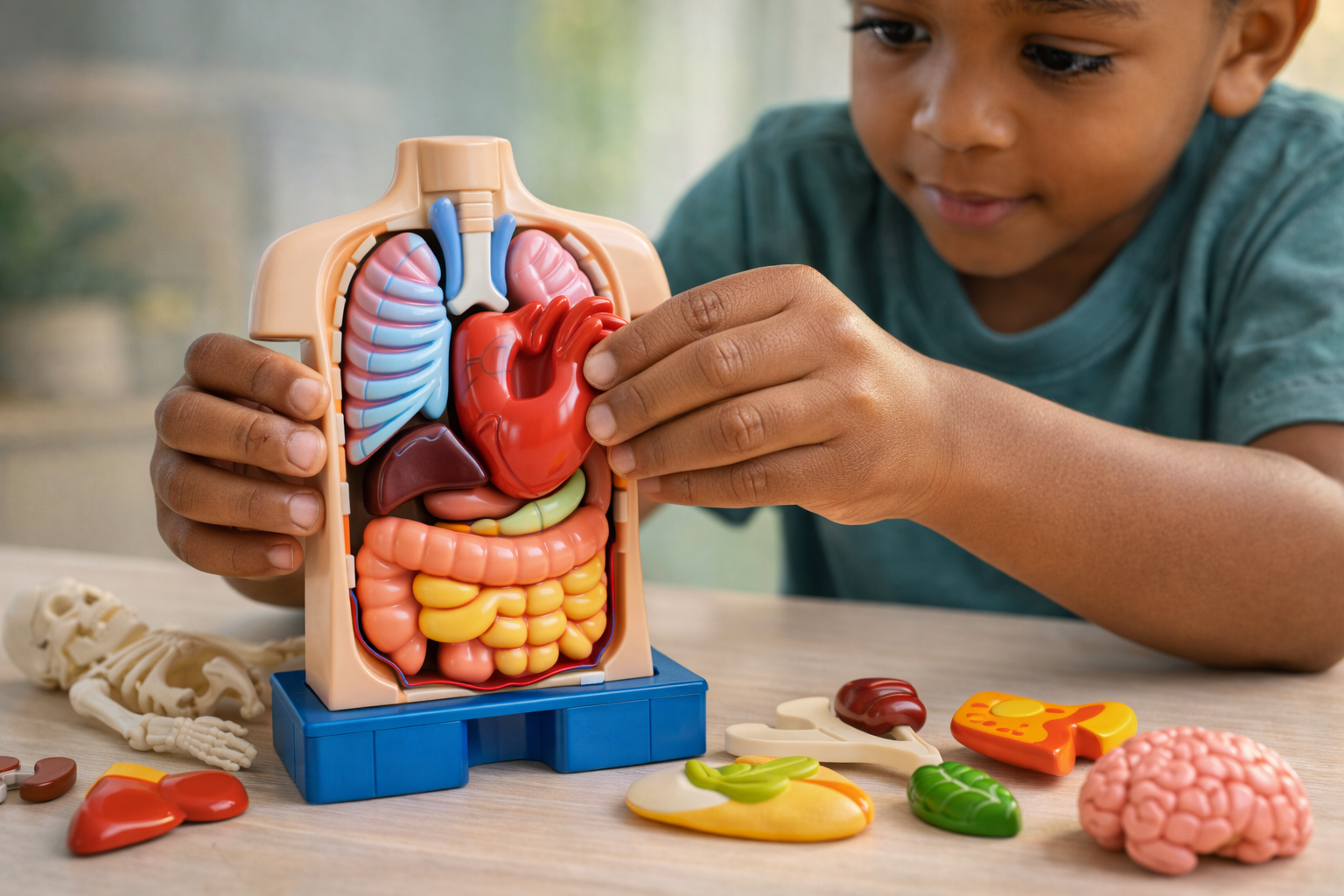
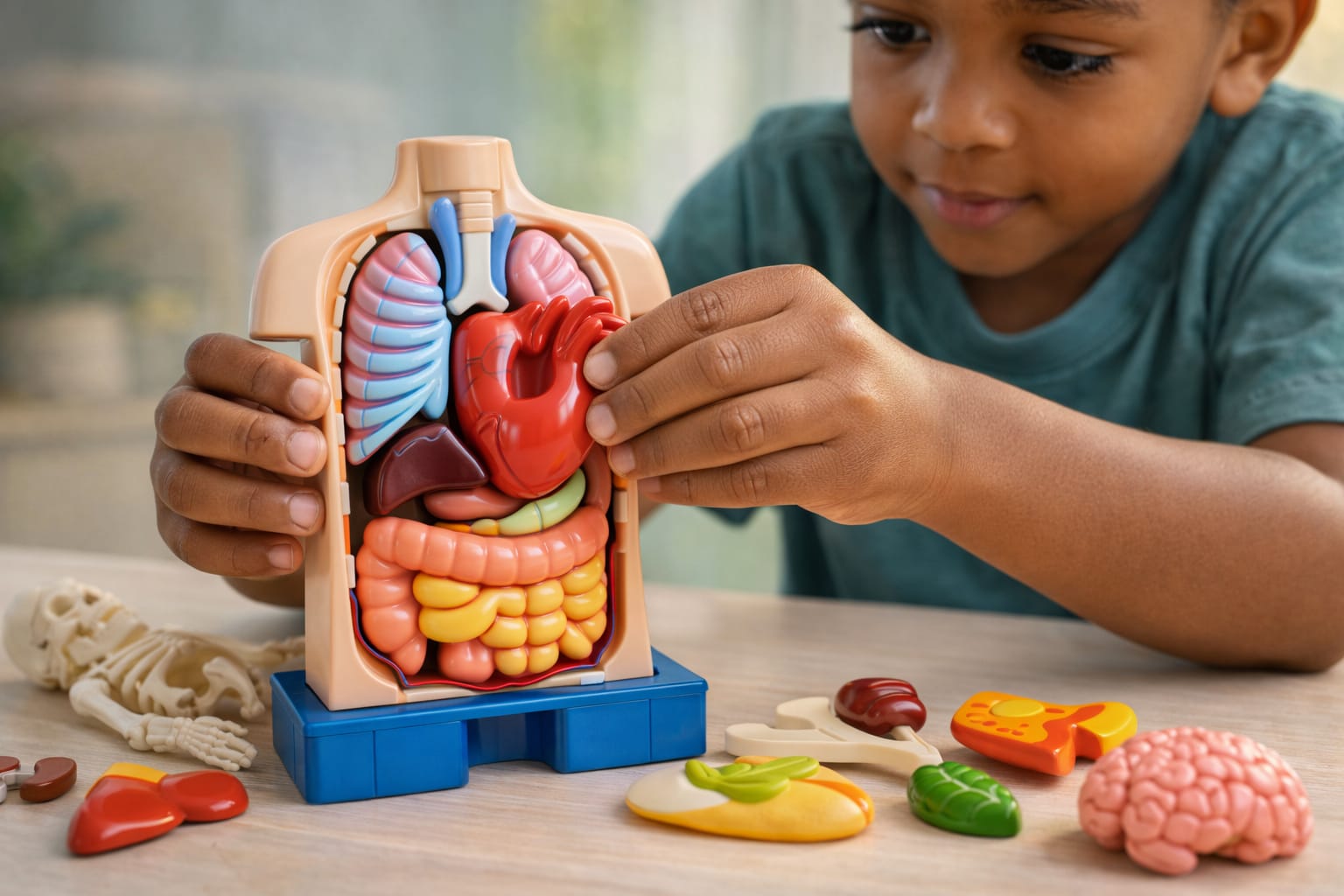
Instead of monsters and superheroes, children are now assembling hearts, brains, and skeletons—piece by piece. This hands-on exploration transforms the body from a mystery into a marvel. When kids can touch and build a torso… remove organs… see how systems connect… fear dissolves. Medical visits become less threatening. Questions become more informed. “Knowledge doesn’t eliminate risk—but it eliminates helplessness.” This is biological literacy at its purest: replacing anxiety with understanding.
2. The Couch Potato Myth Is Officially Dead

Screens aren’t the enemy. Passive screens are. A new generation of active, movement-driven games—often called exergaming—turn playtime into cardio, strength training, and coordination practice without the lectures. Children squat, punch, stretch, and sweat as they immerse themselves in storylines and challenges. Research confirms what parents are already noticing: kids move more when movement feels like play.“The best exercise is the one a child doesn’t realize they’re doing.” Physical capital is being built—one joyful level-up at a time.
3. Mental Hygiene Becomes a Playable Skill
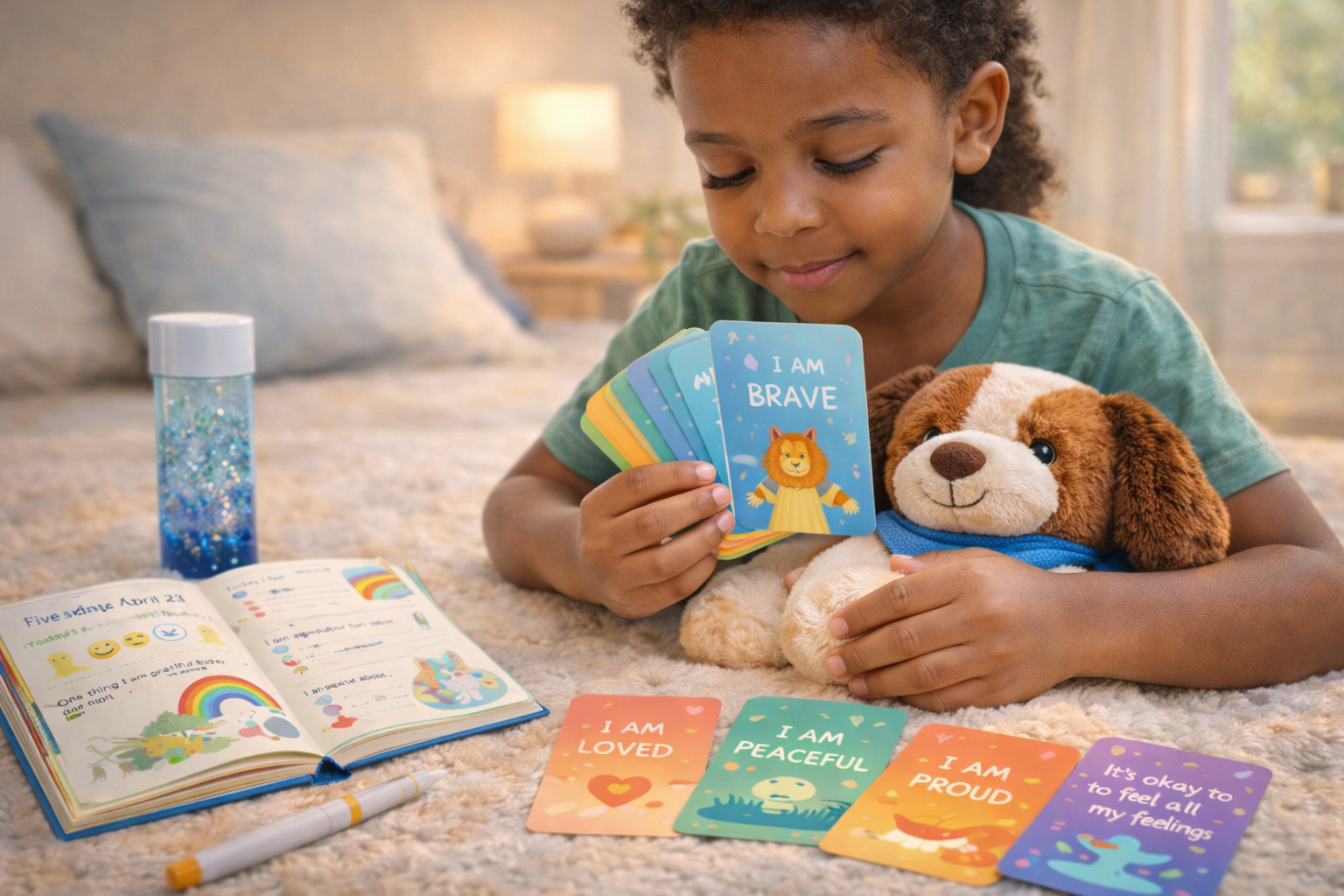
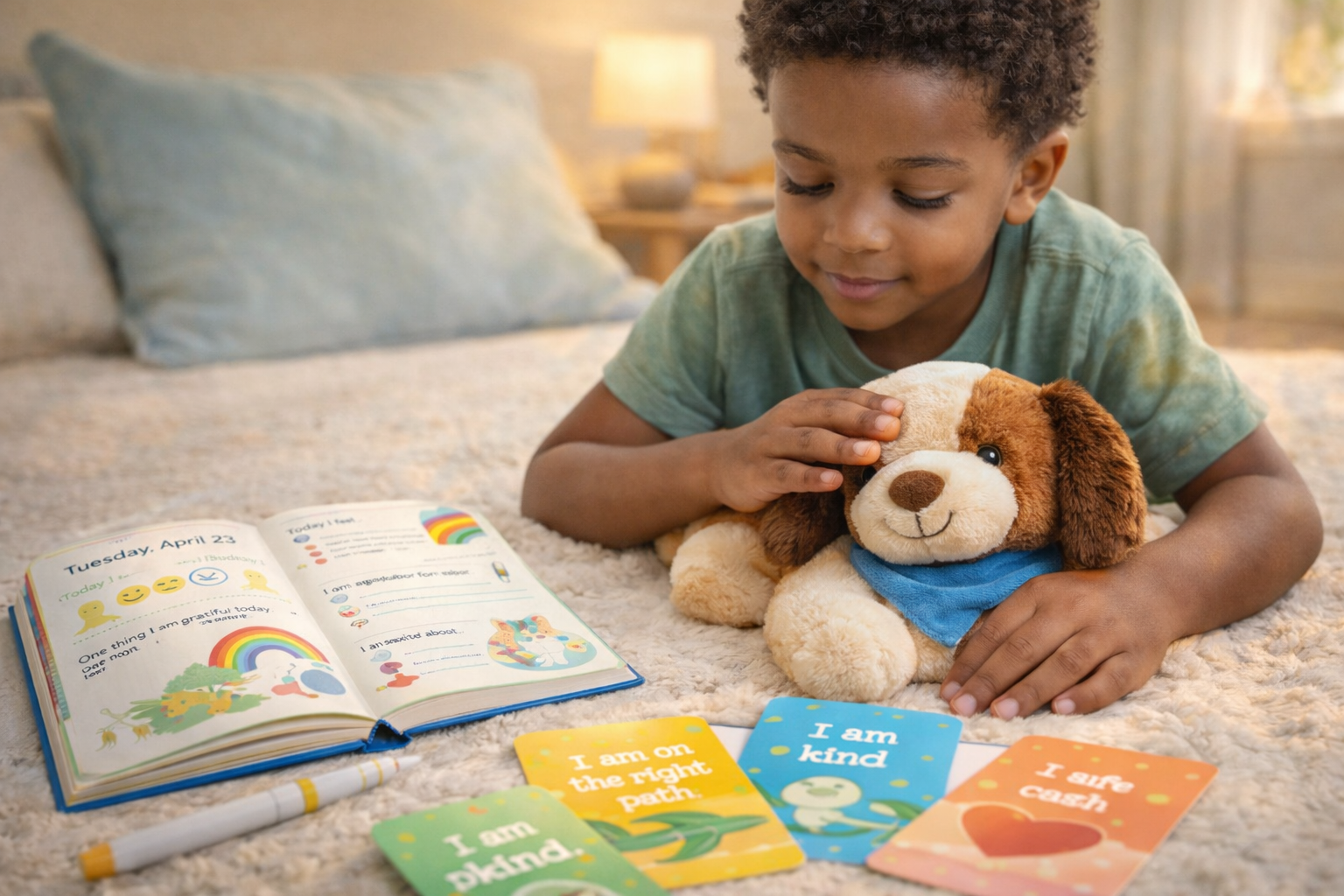
We teach kids to brush their teeth. But for decades, we ignored emotional hygiene. That’s changing. Mindfulness journals, affirmation cards, sensory tools, and weighted companions now help children learn how to pause, breathe, reflect, and self-regulate. These tools don’t suppress emotion. They name it. They don’t shame stress. They normalize it. “A child who understands their emotions is harder to manipulate—and easier to heal.” This is emotional capital: resilience that doesn’t depend on crisis.
4. Kitchens Are Becoming First Science Labs
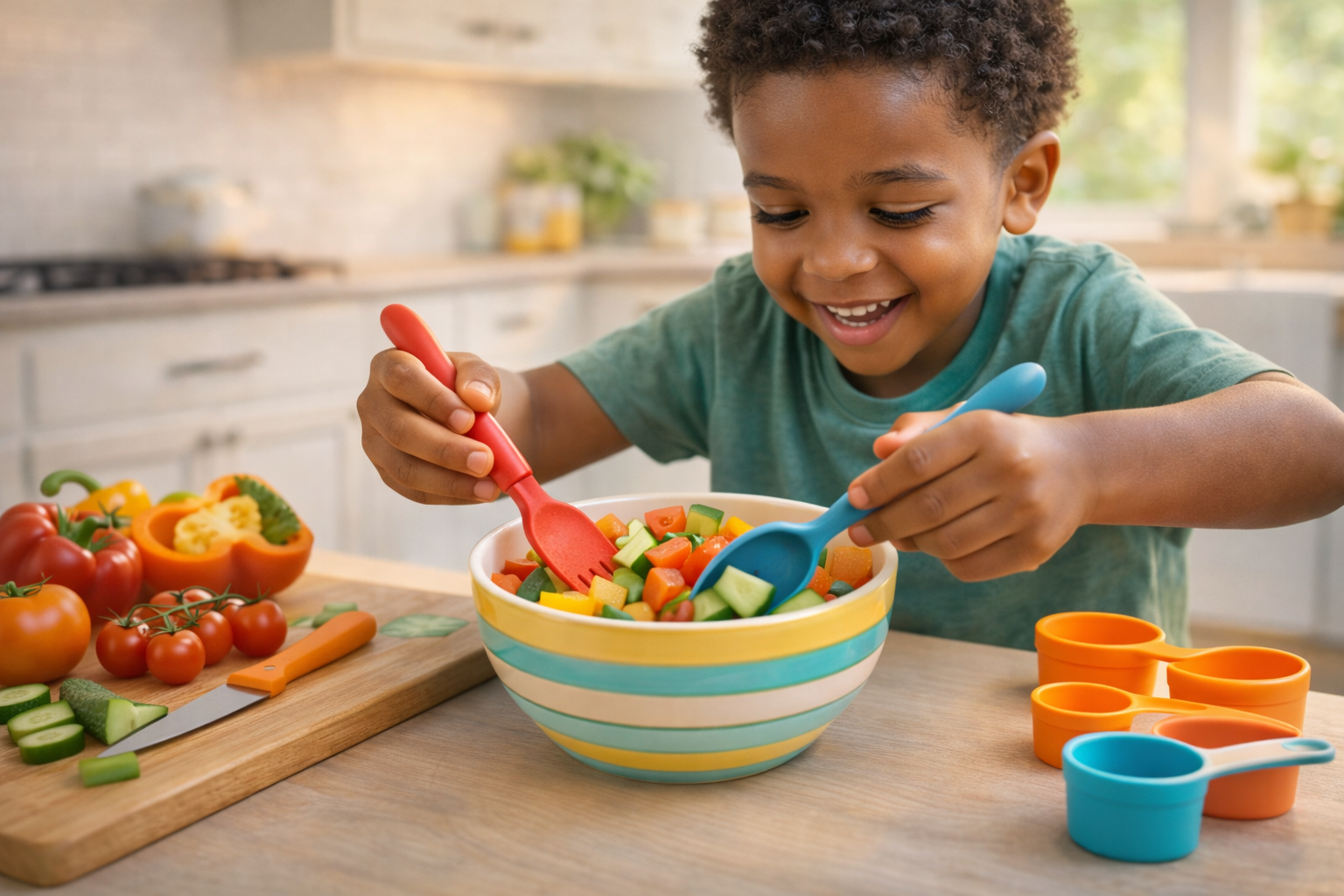
Food education is now hands-on. Child-friendly cooking kits turn kitchens into labs where kids learn measurement, chemistry, budgeting, and nutrition without fear or diet culture. When a child prepares food, they shift from being fed to nourishing themselves. Agency changes appetite, and this relationship with food pays lifelong dividends in confidence and health.
5. Self-Care Turns Into Science
Hygiene now means more than cleanliness—it’s biology. Soap-making kits, herbal projects, and skincare introduce kids to the chemistry of skin, the role of plants, and the reasoning behind routines. Daily care becomes a ritual; curiosity replaces compliance. When kids understand why, they respect how. Self-care shifts from vanity to stewardship.
6. Wearable Tech Teaches Data Literacy
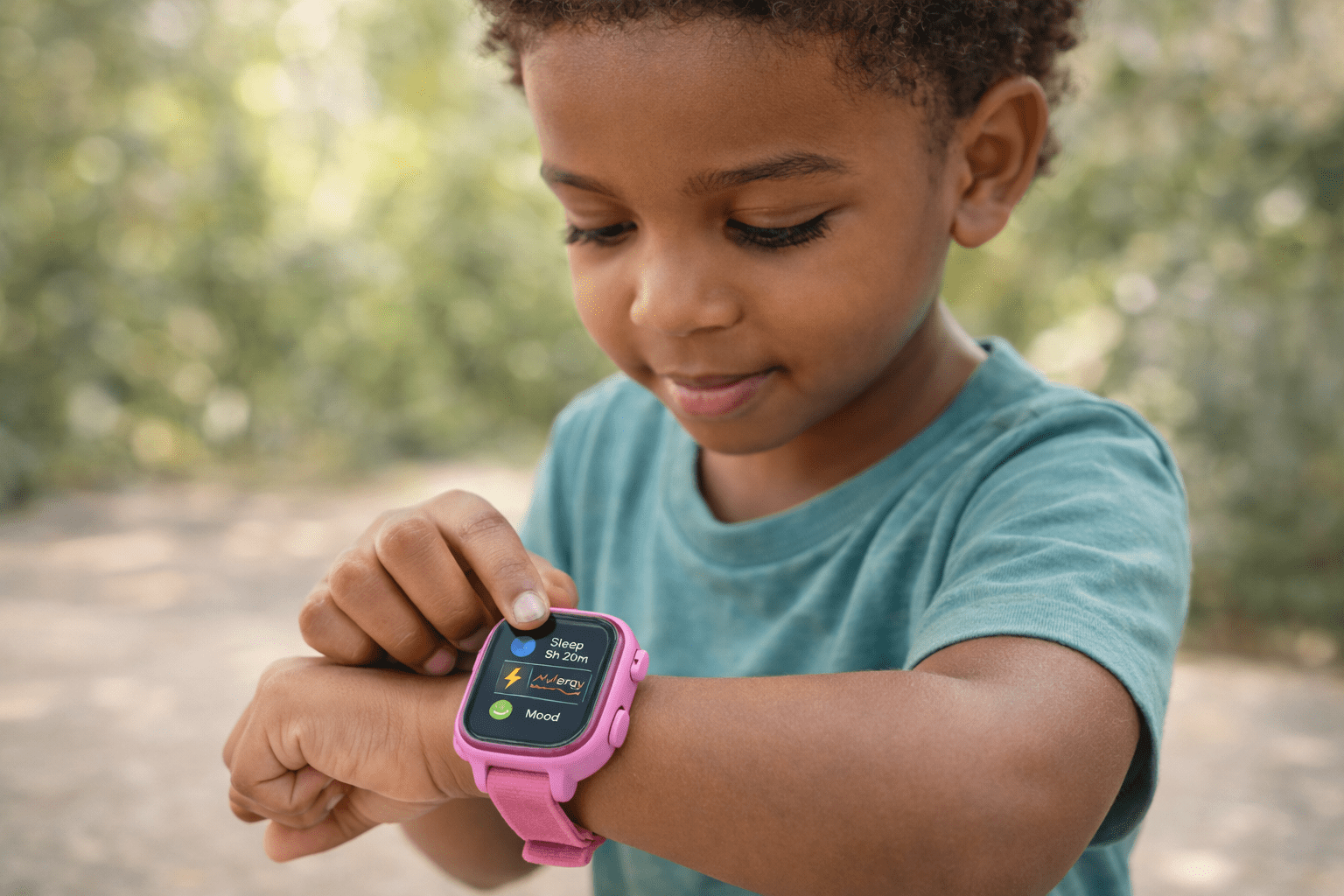
Health data once belonged only to doctors. Now, children can see how sleep affects energy, how movement shapes mood, and how patterns form. Wearable devices for kids introduce self-knowledge through data—not as surveillance, but empowerment. Data doesn’t control children; ignorance does. This builds readiness for a world where understanding numbers is part of personalized health.
When Medicine Turns Menacing—and What We Can Do Instead

Medicine saves lives. But a system that intervenes only after a crisis—without first building understanding—can seem threatening. The shift happening at home is not anti-medicine; it is pre-medicine: prevention through literacy, resilience through play, and confidence developed before crisis.
An Empowering Call to Action
If you are a parent, grandparent, caregiver, or community leader, ask yourself: Raise children who comprehend, not just comply. Choose gifts that build knowledge before a crisis. Fill playrooms with tools for understanding—bodies before they break, emotions before overwhelm, food before harm, data before confusion. Empower children to know themselves—and never surrender that knowledge.This is the future AMHG stands for. Take action today. Like, share, and subscribe to AMHG Magazine—because knowledge heals, stories inspire, and truth transforms. Every click fuels a movement where culture meets courage, and wellness becomes power. Don’t just watch change—be the heartbeat behind it.