








Welcome back to Week 14 of our global investigative series, Impacts on the Global Black Lifespan Journey.
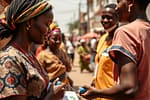
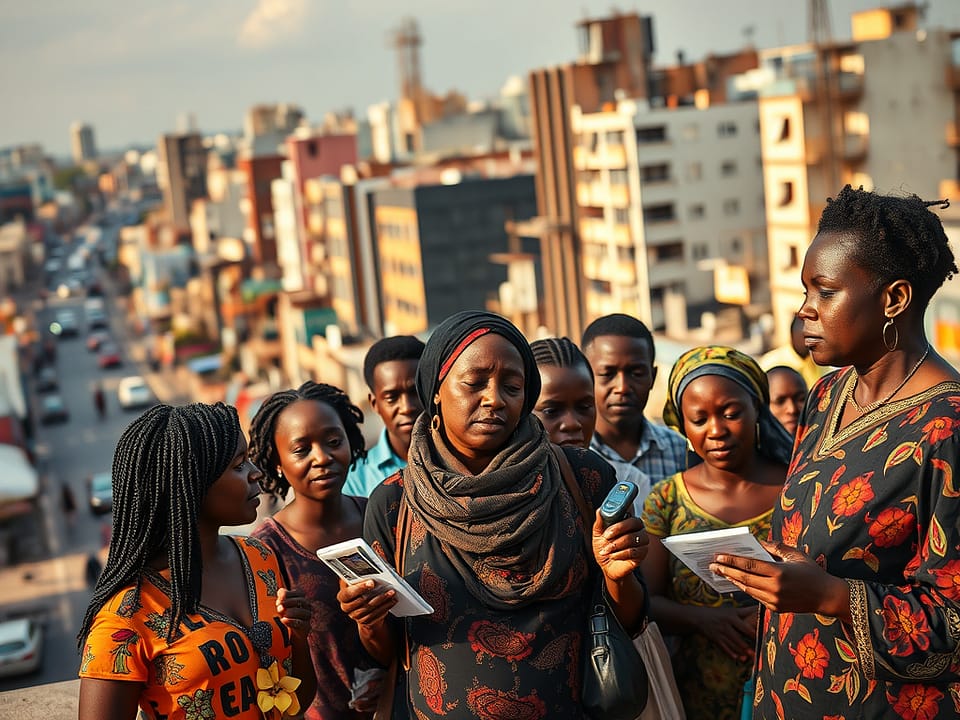
Today, we report from Dakar, Senegal—a vibrant and fast-growing city that reflects both the strength and the challenges facing Black populations worldwide.
Each week, we ask one critical question:
What is helping Black communities live longer—and what is silently shortening those lives?
In Senegal, we confront one of the most dangerous threats of all: hypertension, widely known as the Silent Killer.
Understanding the Silent Threat
Hypertension, or high blood pressure, is dangerous because it often shows no early symptoms.
There is no warning pain. No visible signal. No immediate alarm.
Yet, inside the body, damage is quietly building.
To understand this, imagine your body as a city.
- Your heart is the central pump
- Your blood vessels are the pipes
- Your blood carries oxygen and nutrients like flowing water
When pressure in those pipes becomes too high, the system begins to fail.
At first, there are small signs of strain.
But over time, the damage becomes severe:
- A burst vessel in the brain leads to a stroke
- An overworked heart leads to a heart attack
This is how hypertension silently reduces life expectancy across the global Black population.
Global data continues to confirm the scale of this crisis, with rising cardiovascular risk across urban African settings like Dakar .
Dakar: The Frontline of Change
Watch this video to discover how anemia affects pregnancy outcomes. It puts thousands of women at risk long before complications. Access to prenatal care is limited. Nutritional gaps and systemic barriers exacerbate the issue. This is a story of vulnerability that begins early.
Dakar is not only facing this crisis—it is actively fighting back.
At the center of this transformation is a powerful initiative known as Cardio4Dakar.
This program is reshaping how hypertension is detected, managed, and prevented across the city.
Building a Stronger Health System
The first major shift is strengthening the capacity of health workers.
Doctors, nurses, and community health staff are the frontline defenders in this battle.
But without the right training and tools, early detection becomes difficult.
Cardio4Dakar addresses this gap directly.
Health workers are now being trained to:
- Routinely check blood pressure during every visit
- Identify early warning signs
- Respond quickly before complications develop
This shift turns everyday clinic visits into opportunities for lifesaving intervention.
From Diagnosis to Lifelong Management
Detecting hypertension is only the beginning.
The real challenge is long-term management.
Unlike short-term illnesses, hypertension requires continuous care.
Patients must:
- Take medication consistently
- Maintain healthy eating habits
- Stay physically active
- Monitor their blood pressure regularly
Cardio4Dakar supports this process by helping health workers guide patients over time—not just during emergencies.
This reduces the risk of stroke and other severe complications before they occur.
A City-Level Strategy for Prevention
What makes Dakar unique is its system-wide approach.
The initiative follows a structured framework known as the Cardio4Cities Playbook.
This model helps cities:
- Improve early detection rates
- Strengthen treatment systems
- Track patient outcomes
- Build coordinated care networks
Instead of reacting to illness, Dakar is building a system designed to prevent disease before it becomes deadly.
Government Alignment: Strengthening the Response
This effort is not happening in isolation.
Senegal’s national program—PNP HTA DIABETE—focuses on both hypertension and diabetes.
This is critical because these two conditions often develop together and increase the risk of stroke and heart disease.
By aligning local initiatives with national policy, Senegal is creating a coordinated and scalable health response.
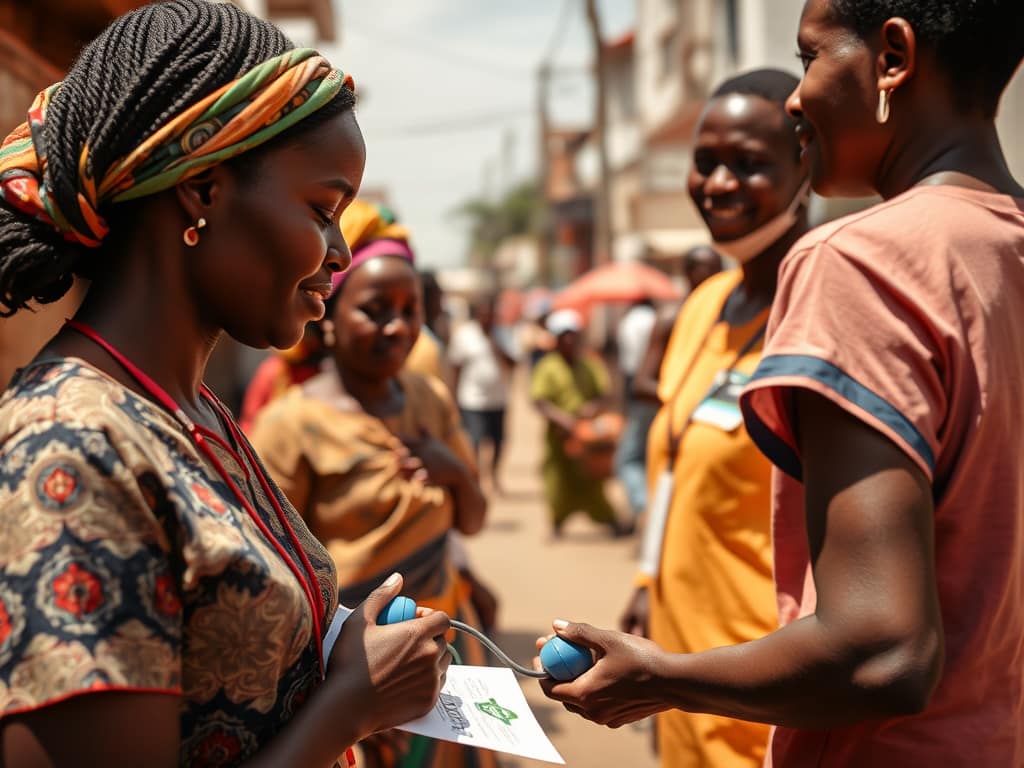
Community Power: Saytu Tension
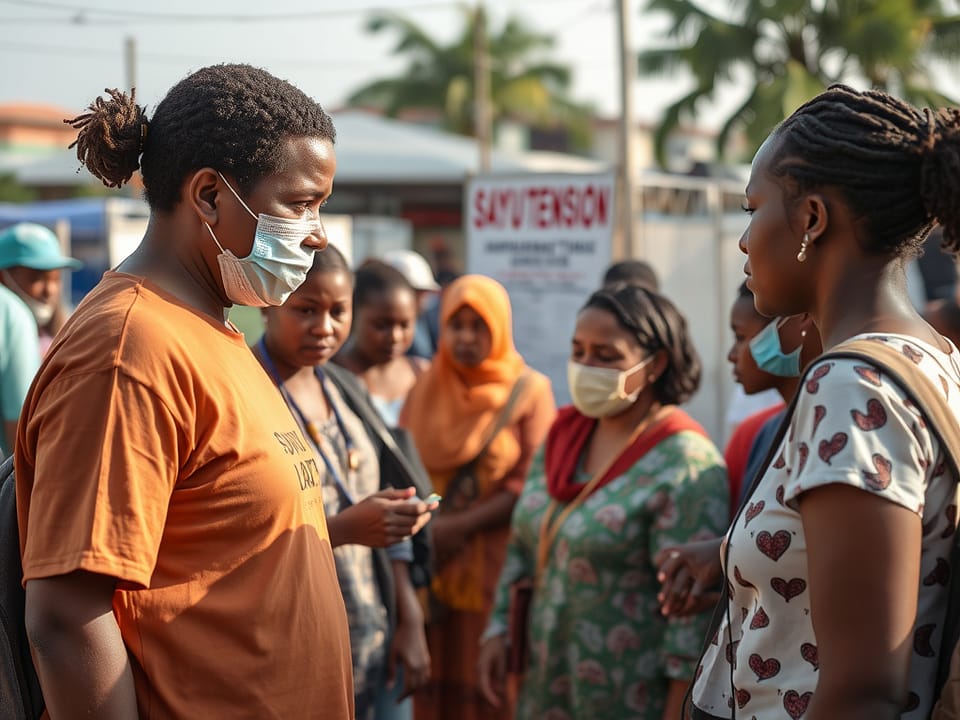
Perhaps the most powerful part of this transformation is happening outside the hospital.
Through the Saytu Tension initiative—meaning “Check Your Pressure”—health awareness is moving directly into communities.
This platform encourages people to:
- Know their blood pressure numbers
- Get screened early
- Take control of their health
This shift is essential.
Because real change happens when individuals move from being passive patients to active participants in their own health.
The Bigger Picture: A System That Protects Life
What we see in Dakar is not just a program—it is a complete system response.
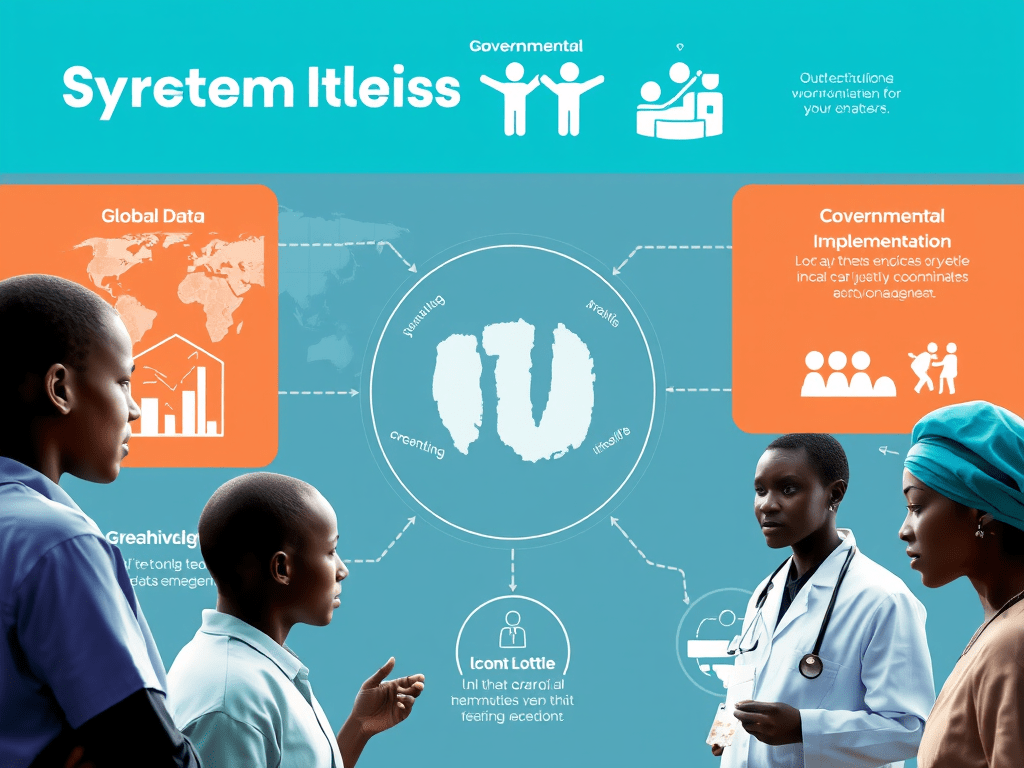
A system where:
- Global data highlights the risk
- Local programs deliver action
- Governments provide structure
- Health workers lead prevention
- Communities take ownership
This is how a silent killer is confronted—with visibility, coordination, and action.
Why This Matters for the Global Black Lifespan
Hypertension is not just a Senegal issue.
It is a global Black health challenge.
From Africa to the Caribbean, from Europe to North America, the same pattern appears:
- Late detection
- Limited prevention
- High stroke and heart disease rates
But Dakar offers a different model.
It shows that with the right systems in place, outcomes can change.
Final Word: From Survival to Protection
For years, global health efforts focused on survival.
Now, the mission must evolve.
Protection is the next responsibility.
The work happening in Senegal shows what is possible when prevention becomes the priority.
It is a reminder that:
- Early detection saves lives
- Systems shape outcomes
- Awareness creates power
Closing
This is Week 13 of Afro Mosaic: Impacts on the Global Black Lifespan Journey.
Reporting from Dakar, Senegal—where the fight against hypertension is becoming a model for the world.
Stay informed. Stay aware. Protect your health.
Because the most dangerous threats are often the ones you cannot see.