










Afro Mosaic: Impacts on the Global Black Lifespan Journey – Series 11
1. The Epidemiological Landscape of Chronic Disease

In today’s global health landscape, the rise of non-communicable diseases (NCDs) has expanded beyond the boundaries of clinical medicine. These conditions are now widely recognized as major determinants of national stability, economic productivity, and long-term societal well-being.
For Trinidad and Tobago, the growing burden of chronic illness represents far more than a public health concern. It is an economic and social challenge that places increasing pressure on both national productivity and government resources. The financial strain is driven largely by the high costs associated with managing advanced medical complications. Secondary and tertiary care—required for conditions such as heart attacks, strokes, kidney failure, and amputations—places a far heavier burden on the healthcare system than preventative care would.

For this reason, establishing a clear statistical baseline is the first essential step in designing a resilient national health strategy.
Key Health Indicators: Trinidad & Tobago
| Indicator | Estimated Prevalence / Impact |
|---|---|
| Diabetes Prevalence | 14–20% of the adult population |
| Hypertension Rates | 30–35% of the adult population |
| Leading Cause of Death | Cardiovascular Disease (CVD) |
| Diagnostic Status | Predominantly late-stage diagnosis |
The implications of these indicators are serious. When risk factors are not identified early, patients often enter a cycle of severe complications including heart attacks, strokes, kidney failure, and amputations.
This diagnostic delay forces the healthcare system to respond to advanced disease rather than preventing it. As a result, the Ministry of Health is frequently placed in the position of managing crisis outcomes instead of safeguarding long-term health.
To reverse this trajectory, Trinidad and Tobago must adopt an integrated national approach that recognizes the biological and systemic connections driving these conditions.
2. Pathophysiological Interconnectivity: The Diabetes–Heart Link
One of the most significant strategic errors in regional health policy has been the tendency to treat diabetes and heart disease as separate clinical conditions.
From a systems perspective, these diseases must be understood as part of a single metabolic crisis. When healthcare systems treat them as isolated problems, care becomes fragmented and the primary drivers of mortality remain insufficiently addressed.
Research into the Caribbean’s growing “twin epidemic” shows that diabetes and cardiovascular disease are biologically intertwined.
Three critical pathways illustrate this connection.
Vascular Integrity
Chronic high blood sugar triggers systemic inflammation and damages the lining of blood vessels, weakening the circulatory system.
Systemic Pressure
Hypertension—affecting approximately 30 to 35 percent of adults—acts as a force multiplier, accelerating damage to vessels already weakened by glucose instability.
Secondary Complications
Diabetes places stress on the kidneys, creating a feedback loop that further destabilizes cardiovascular function.
This biological interdependence makes it clear that diabetes management and heart protection cannot be separated. Policy and clinical care must treat them as two components of the same strategic challenge.
However, medical intervention alone cannot succeed if the surrounding environment continues to produce the conditions that fuel chronic disease.
3. Structural Risk Drivers: The “Risk Ecosystem”
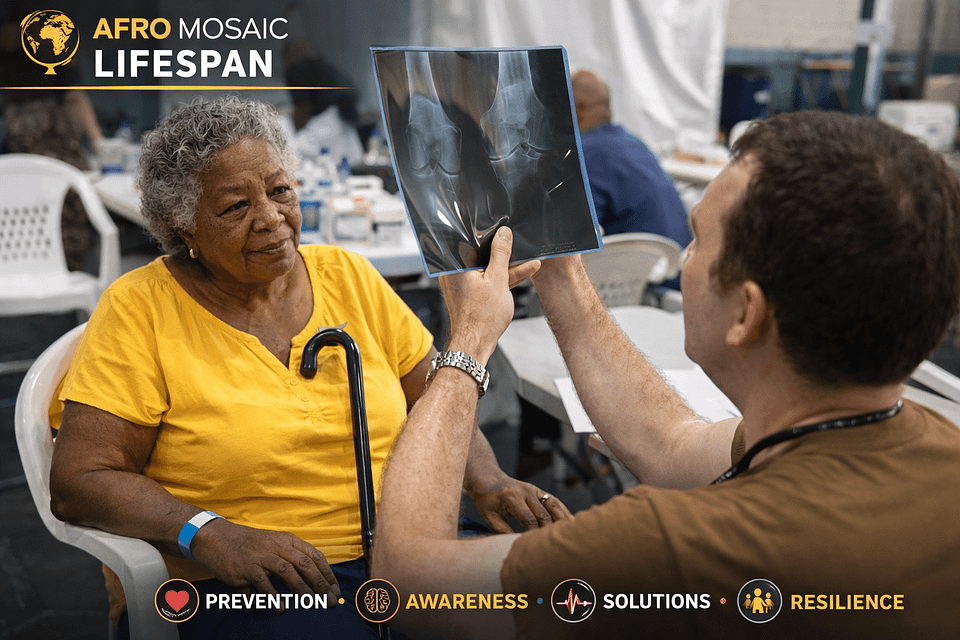
Modern health systems increasingly recognize that disease is shaped as much by environment as by biology. Effective public health strategy therefore requires shifting attention from downstream medical treatment to upstream social and environmental determinants.
In Trinidad and Tobago, the health of the population reflects what experts now describe as a risk ecosystem—an environment that unintentionally promotes chronic disease through economic, urban, and cultural systems.
Four major structural drivers contribute to rising NCD rates.
Nutrition Environment
Traditional diets have increasingly been replaced by a marketplace dominated by ultra-processed foods, sugary beverages, and high-sodium products.
Urbanization and Infrastructure
Modern development patterns prioritize motorized transportation over pedestrian movement, reducing daily physical activity and contributing to rising obesity rates.

Healthcare Access Gaps
Limited prevention infrastructure and uneven community outreach delay early screening, allowing diseases to progress unnoticed.
Cultural Food Transitions
Modern food systems have introduced hidden fats, sugars, and processed ingredients into traditional Caribbean diets, altering their nutritional impact.
Addressing these systemic drivers requires action that extends beyond hospitals and clinics.
4. Institutional Response and Stakeholder Coordination

Responding to the NCD crisis requires coordinated action across multiple sectors. Government leadership must be reinforced by community-based organizations capable of delivering prevention programs at scale.
In Trinidad and Tobago, several key institutions play central roles in this effort.
Trinidad and Tobago Diabetes Association
Serves as a national hub for patient education and self-management training, helping individuals transition from passive care recipients to active managers of their health.
Heart Foundation of Trinidad and Tobago
Focuses on early detection of hypertension through workplace wellness initiatives and community screening programs.
Ministry of Health
Acts as the central policy architect, managing the National NCD Strategic Plan and coordinating healthcare delivery through Regional Health Authorities.
Together, these institutions translate national policy into community-level action.
5. Policy Alignment and Regional Collaboration
National progress is strengthened through collaboration with international partners such as the Pan American Health Organization (PAHO) and the World Health Organization (WHO).
These partnerships provide technical expertise, standardized clinical frameworks, and regional data systems that guide evidence-based policy development.
Key initiatives include:
- Strengthening NCD surveillance and health data systems
- Expanding digital health tools, including telehealth infrastructure
- Modernizing the National Essential Medicines List
- Supporting regulatory measures such as nutrition labeling and potential sugar-sweetened beverage policies
These initiatives form the foundation of a comprehensive national strategy aimed at reducing the burden of chronic disease.
6. Strategic Roadmap for Prevention
To strengthen population resilience, several strategic priorities must be implemented.
Universal Early Screening
Routine monitoring of blood glucose, blood pressure, and cholesterol must become standard practice throughout the healthcare system.
Integrated Prevention Systems
Healthcare structures must eliminate disease-specific silos, treating cardiovascular and metabolic health through unified care pathways.
Community Health Empowerment
Public education and nutrition literacy must expand through community organizations and peer networks.
Digital Health Expansion
Telehealth systems and digital monitoring tools can significantly improve access to care in underserved communities.
Strategic Takeaway

The experience of Trinidad and Tobago reveals an essential lesson: the chronic disease crisis is not simply a medical issue. It is the outcome of a broader risk ecosystem shaped by food systems, urban design, and social policy.
Protecting the health of the population requires coordinated action across these systems. Real progress will only occur when policy, healthcare infrastructure, and community education work together to prevent disease before it begins.
Looking Ahead: Series 12 – Haiti
The Afro Mosaic journey continues.
In Series 12 of the Afro Mosaic: Impacts on the Global Black Lifespan Journey, we travel to Haiti to examine how economic pressures, healthcare access, and systemic inequality shape public health outcomes across the nation.
Haiti presents another critical chapter in understanding the global Black lifespan. Despite significant challenges, Haitian communities continue to demonstrate resilience, innovation, and strength in the face of structural barriers.
In the next episode, we explore how healthcare systems, community networks, and policy reforms are working to protect the health of future generations.
Join us as we continue tracing the forces shaping health across the Global Black diaspora.
Because understanding today’s health realities is the first step toward protecting tomorrow’s lifespan.
We will see you next week in Haiti.