








How Modern Eye Care Is Quietly Transforming Whole-Body Health
By AMHG Magazine

Most people treat eye care like a chore. Something you squeeze in between errands. Something you postpone. Something you only take seriously when the blur becomes unbearable. That’s a mistake.
Because the eyes are not just about sight. They are one of the most powerful early-warning systems in the human body—quietly revealing what’s happening beneath the surface long before pain forces your attention. At AMHG Magazine, we believe this truth deserves to be spoken plainly: eye care is health care.
The Hidden Language of the Eyes
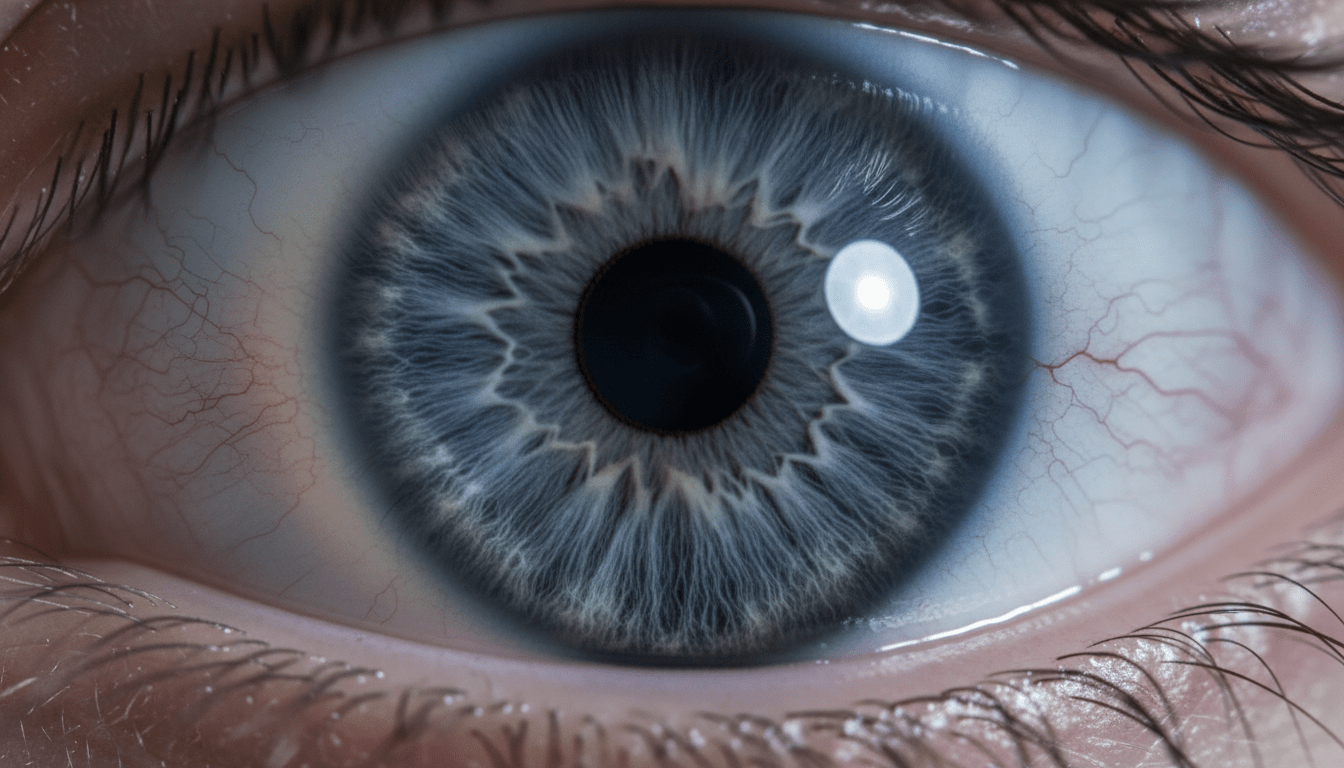
Your eyes are rich with blood vessels, nerves, and delicate tissues that respond quickly to stress, inflammation, and disease. Long before symptoms appear elsewhere, the eyes can show early signs of serious conditions—diabetes, high blood pressure, autoimmune disorders, even neurological disease.
Redness. Sudden vision changes. Eye pain. Light sensitivity. These are not inconveniences. They are messages.
Too often, those messages go ignored—especially in communities that have learned, through experience, not to expect early intervention or clear explanations from the healthcare system. And that delay comes at a cost.
Why Communities of Color Pay a Higher Price
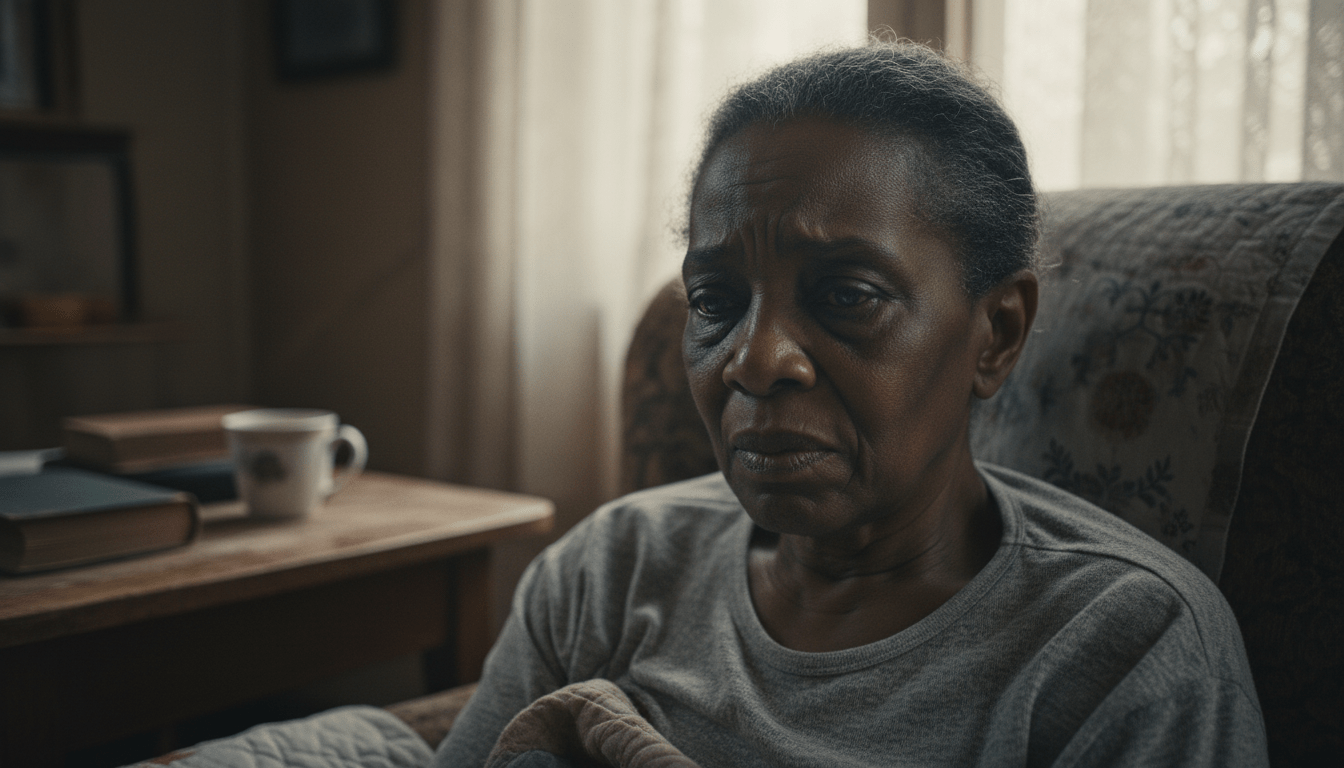
In many Black and underserved communities, preventable vision loss remains alarmingly common. Diabetes-related eye disease continues to be one of the leading causes of blindness among adults, despite the fact that early detection can slow or even stop its progression. The problem is not biology alone. It’s access. It’s education. It’s trust.
New technologies, advanced screenings, and cutting-edge treatments often reach these communities last—if at all. Many people never learn that routine eye exams can reveal far more than a need for glasses.
They’re never told what questions to ask. They’re never shown how eye health connects to heart health, metabolic health, and longevity. And when knowledge is delayed, outcomes follow.
eeing the Whole Person, Not Just the Prescription
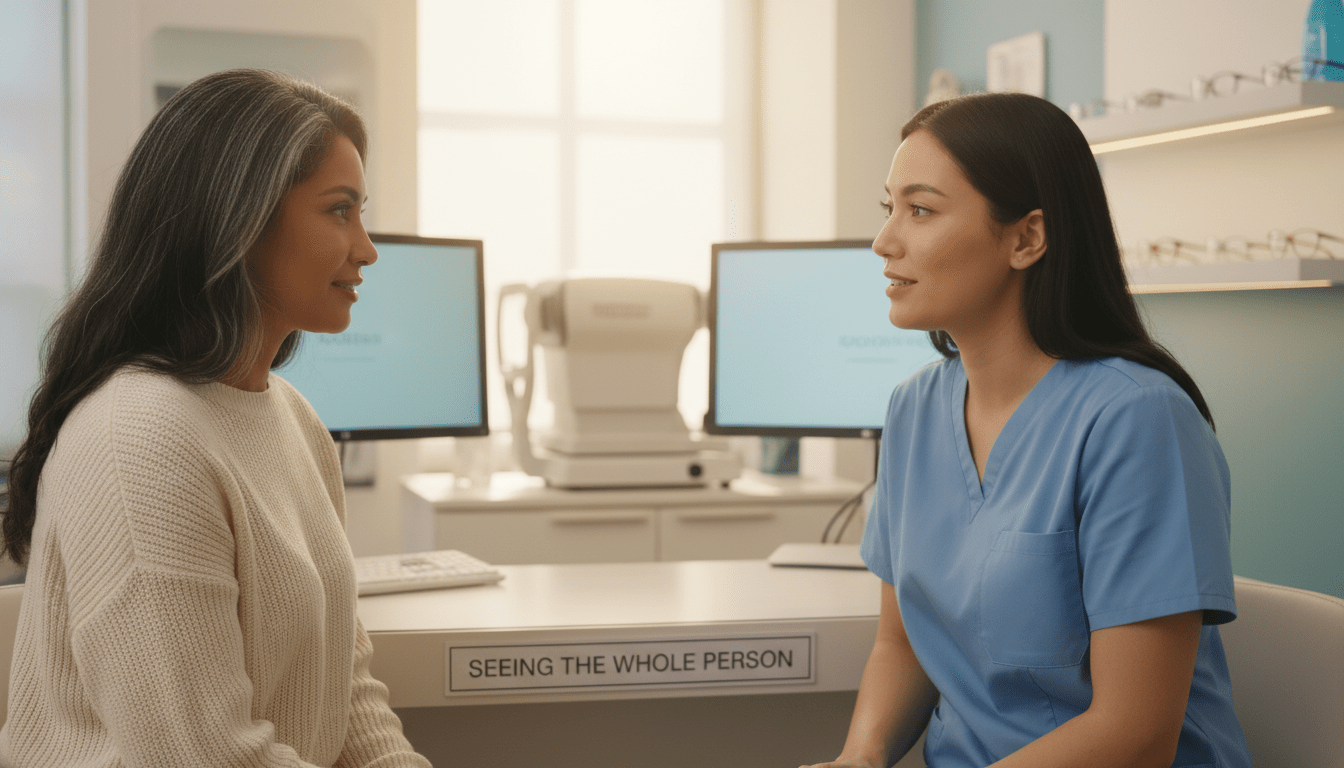
The future of eye care is not just sharper lenses or smarter machines.
It’s a holistic vision.
Today’s most forward-thinking eye care professionals understand that every patient brings more than eyesight into the exam room. They bring family histories, chronic conditions, stress, food access challenges, and lived realities that shape their health.
This shift—from isolated treatment to whole-person care—is changing how optometry is practiced.
It’s also changing who feels safe enough to seek care early. As one optometry leader recently shared:
“The eye exam is often the first place where people learn the truth about their health. When patients feel seen and informed, they take action sooner—and that changes everything.”
— Dr. Anel Johnson
Diabetes, Vision, and the Cost of Silence
Diabetes doesn’t announce itself loudly. It erodes quietly.
Tiny blood vessels in the eye are often among the first to suffer damage. Without regular exams, vision loss can advance silently—until it becomes permanent.
Yet many people living with diabetes have never received proper education about how the condition affects their eyes. Some have never seen a diabetes educator.
The tragedy isn’t just the disease. It’s the lack of information.
When patients understand how nutrition, movement, medication, and blood sugar control affect their vision, something shifts. Fear turns into agency. Confusion becomes clarity.
And clarity leads to action.
Eye Care as a Gateway to Prevention
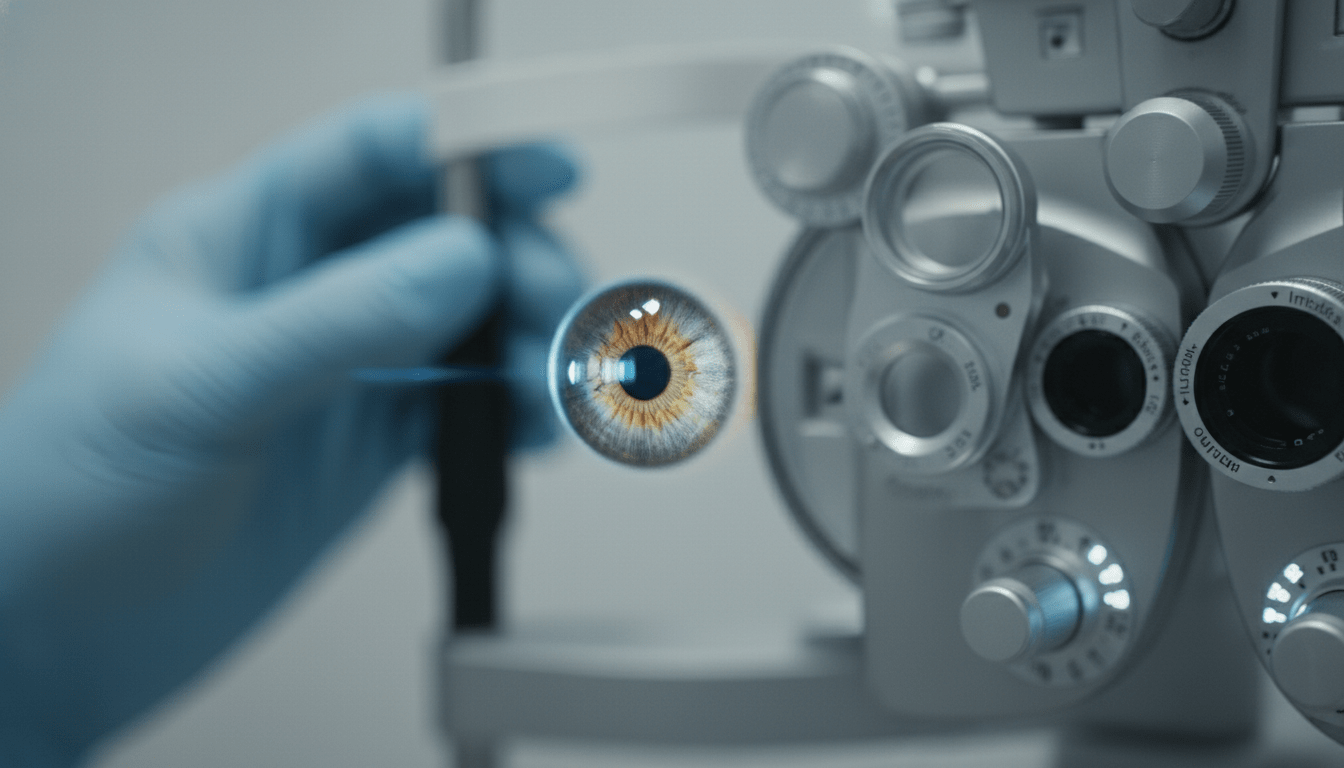
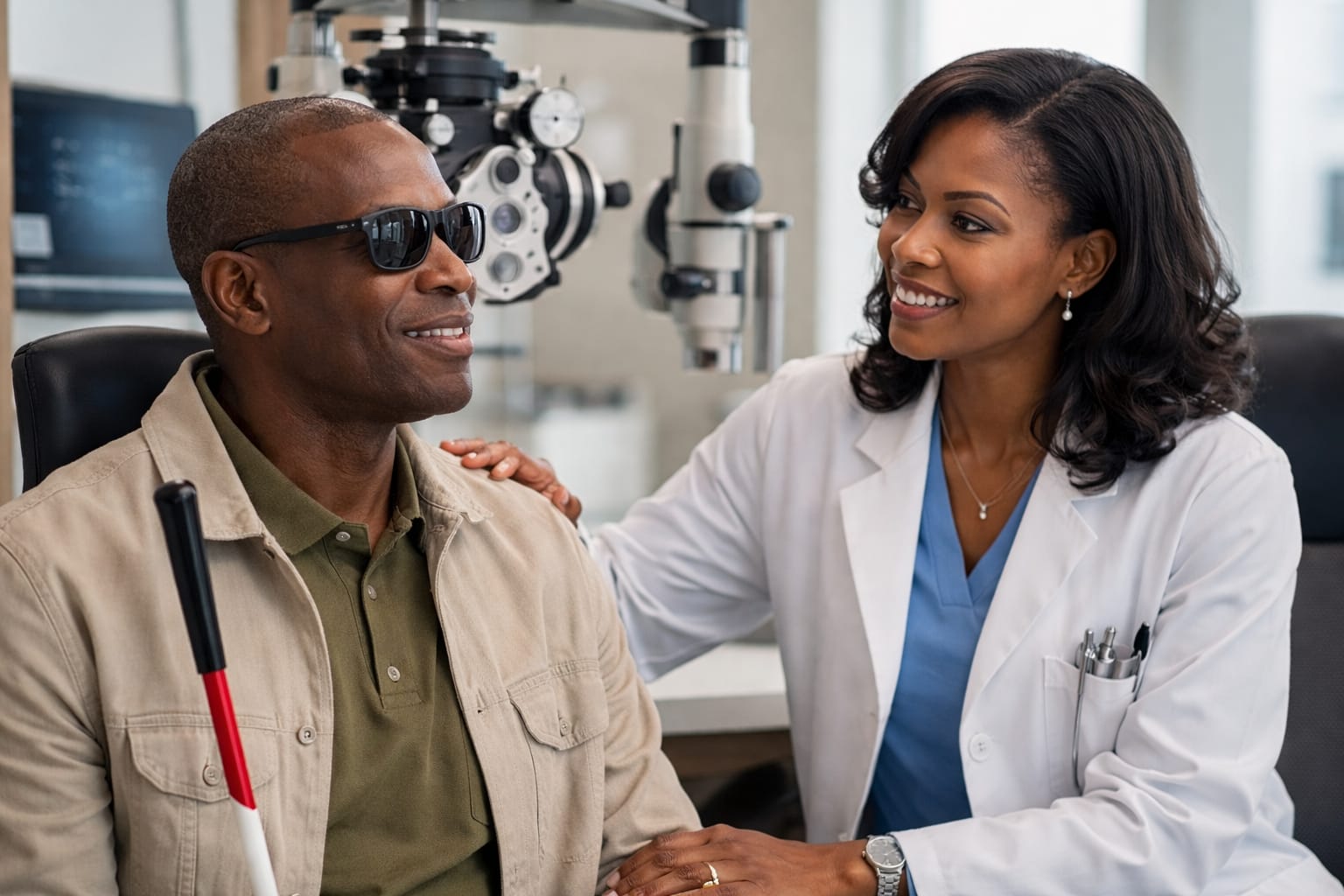
Eye exams are among the few medical encounters in which clinicians can directly observe blood vessels without surgery. This makes optometry a powerful gateway to prevention—not just correction.
High blood pressure can show up in the retina. Autoimmune inflammation can alter eye tissues. Neurological changes can affect vision pathways.
In this way, eye care becomes a bridge between specialties—a frontline defense that connects patients to timely care before emergencies arise.
But only if people show up. Only if they understand the stakes.
The AMHG Perspective: Vision Is a Human Right
At AMHG Magazine, we don’t see eye care as optional or cosmetic. We see it as foundational. Your eyes reveal your circulation, metabolism, inflammation, and future risk. Ignoring them doesn’t make problems disappear—it just delays the moment when choice becomes limited. This is why we advocate for:
- Routine eye exams as preventive care
- Clear explanations, not rushed conclusions
- Culturally informed communication
- Early screening, not crisis response
Health equity begins when people are given the tools to understand their own bodies.
A Final Word: Don’t Wait for the Blur
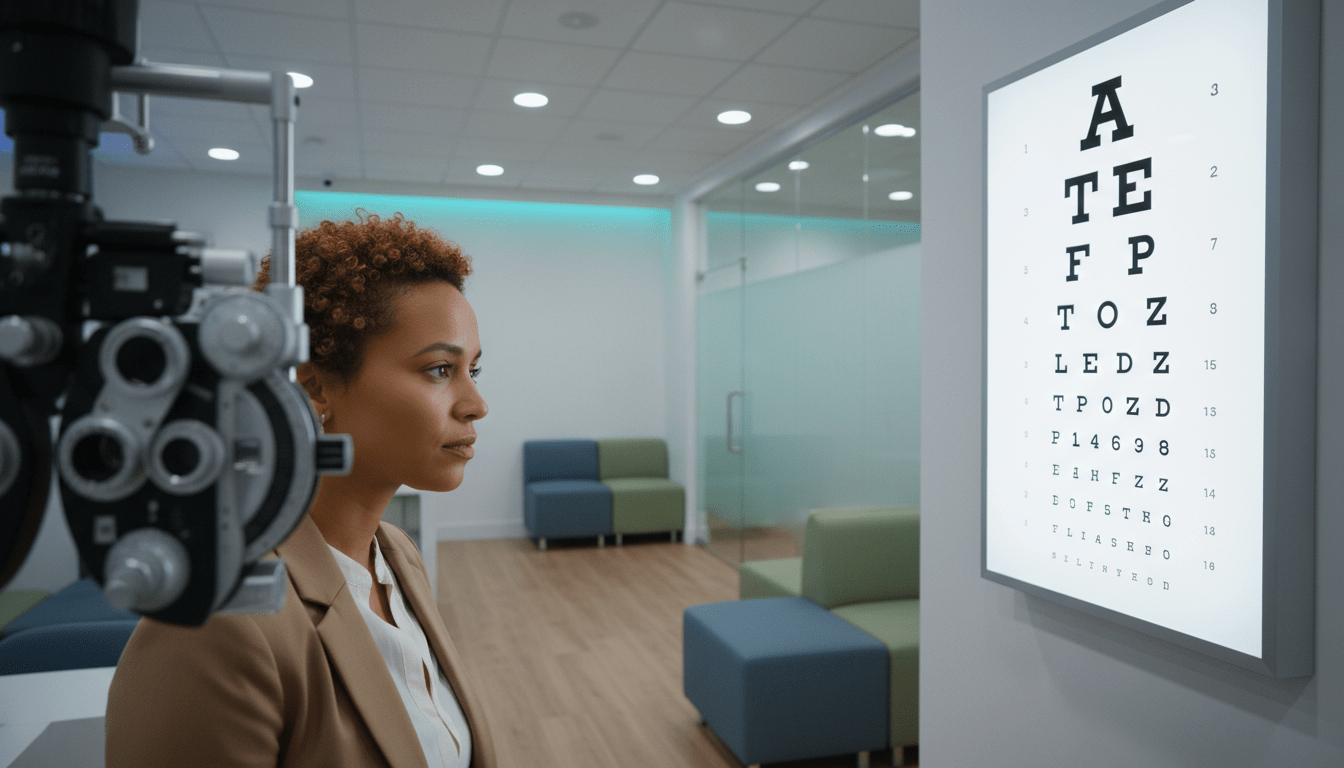
If it’s been years since your last eye exam, this is your sign.
If you live with diabetes, hypertension, or autoimmune disease, this is your reminder.
If you’ve been told “everything looks fine” without explanation, this is your permission to ask more.
Your eyes are not just helping you see the world.
They are showing you what’s happening inside you.
Listen early. Act sooner. Protect your vision—and your life.
AMHG Magazine exists to turn knowledge into empowerment. Share this article with someone who’s been putting off their health. Vision saved today protects tomorrow.