









And the Real Reasons Are Hiding in Plain Sight
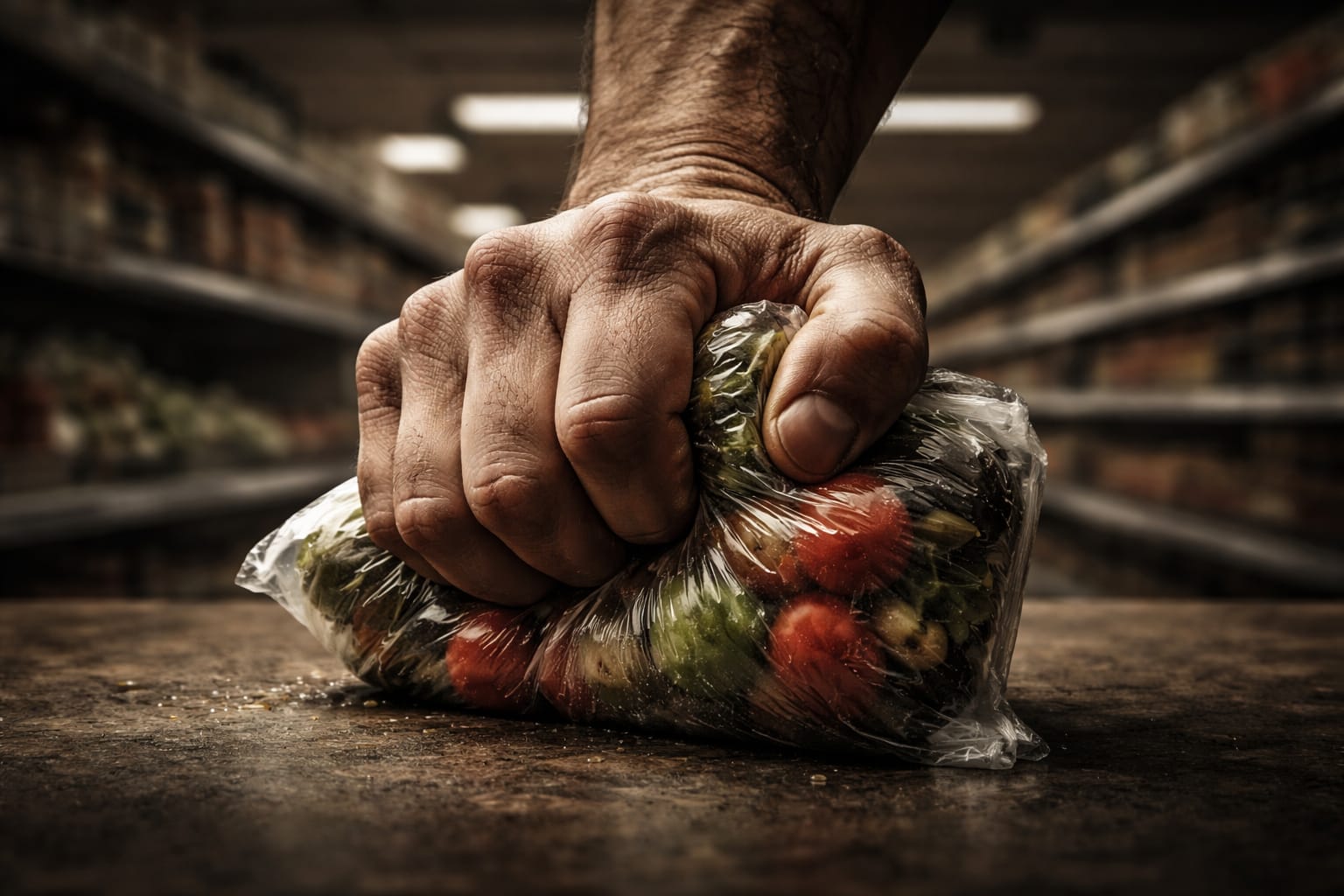
If your heart sinks every time you reach the checkout, you’re not imagining things. That sharp intake of breath. That pause before tapping your card. That quiet thought: “How did groceries get this expensive?” Brace yourself—because it’s not over.
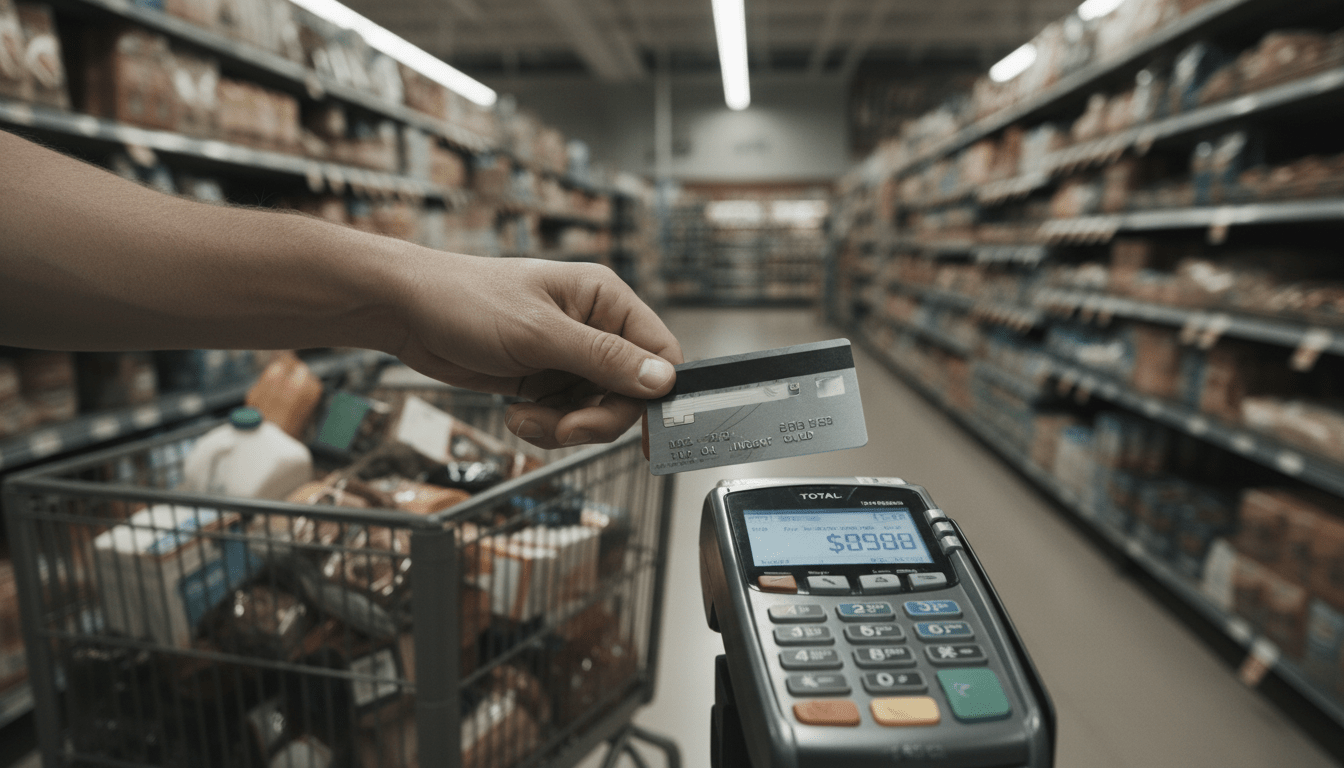
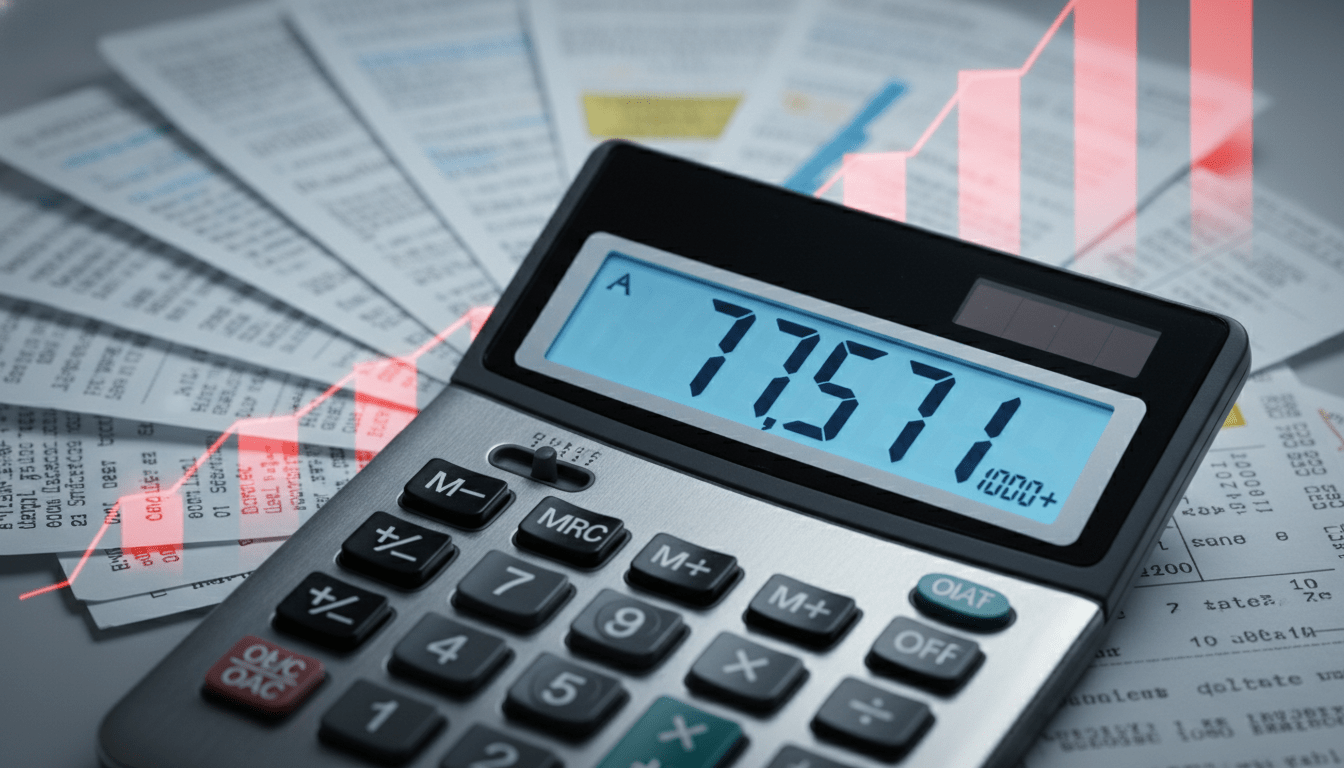
According to the 16th annual Canada’s Food Price Report, food prices are expected to rise another 4% to 6% in 2026. For the average family of four, that means nearly $1,000 more on groceries next year alone bringing the total annual bill to about $17,571. Put another way: food now costs 27% more than it did just five years ago. This isn’t just about money anymore.
It’s about survival. Today, one in four Canadian households is food insecure, and food bank visits are at record highs. What used to be a budgeting problem has become a national warning sign. So why is this happening—even when inflation is slowing everywhere else? Here are five hidden forces quietly driving your grocery bill higher.
1. The Meat Counter Crisis Is Bigger Than Beef
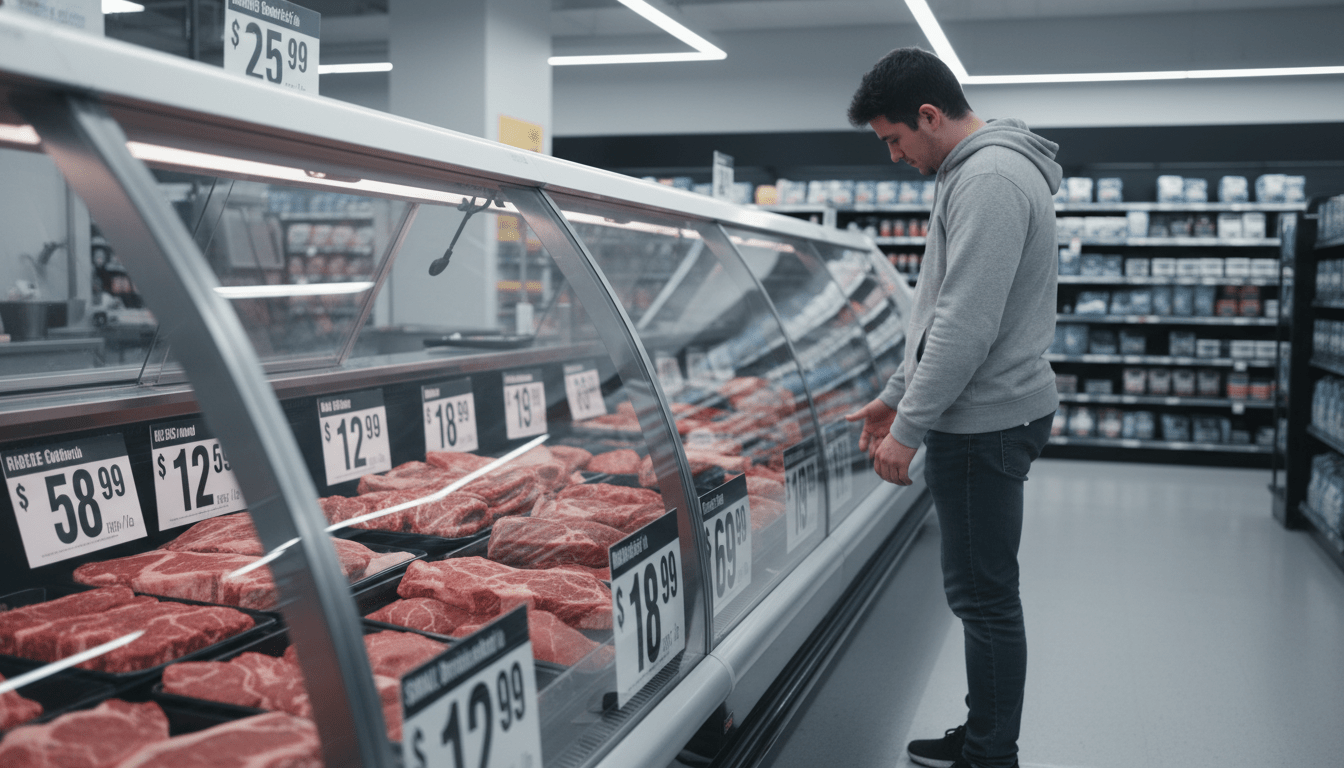
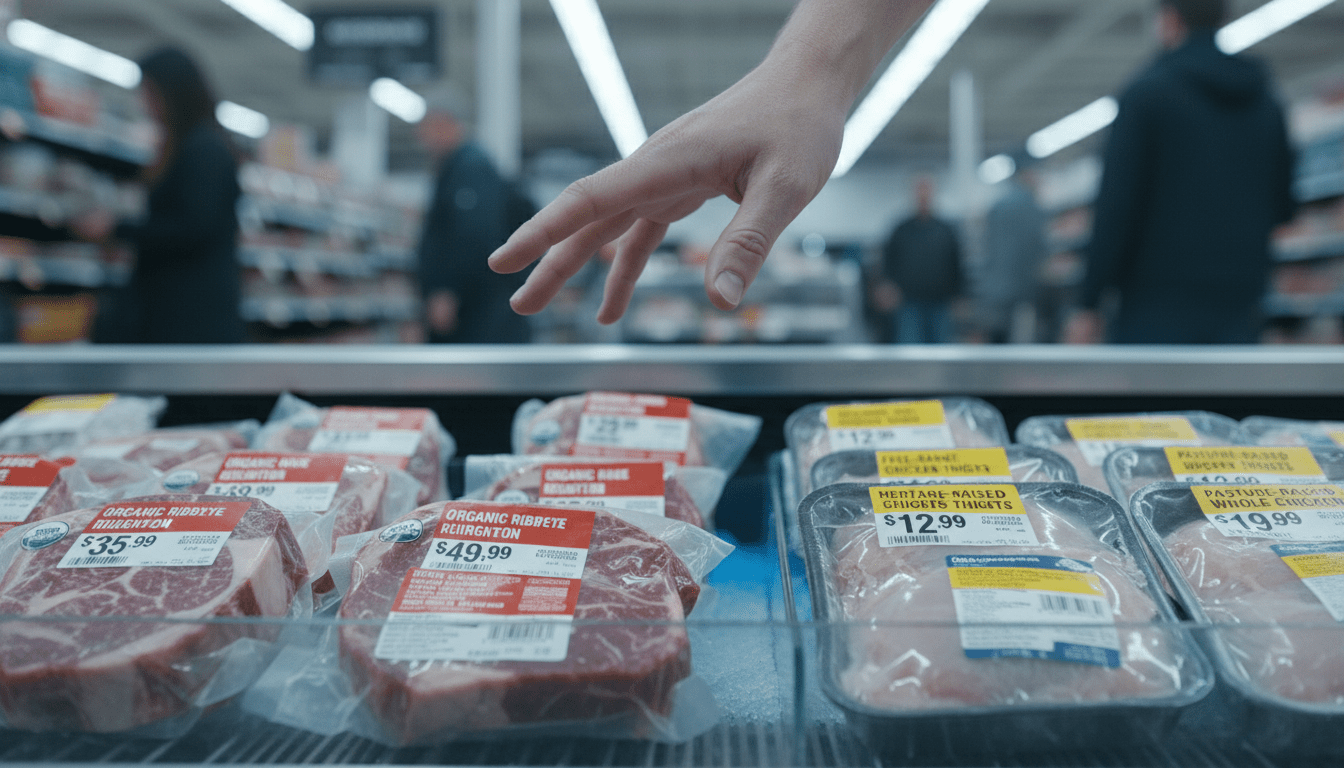
Yes, beef prices are painful. But this isn’t a short-term spike—it’s a long-term breakdown. Nearly a decade of drought has shrunk Canada’s cattle herd to its smallest size since the late 1980s. Experts don’t expect beef prices to calm down before mid-2027. But drought is only part of the story. Just two companies—Cargill and JBS Canada—control up to 90% of Canada’s beef processing.
That kind of power limits competition and keeps prices high. When families switch from beef to chicken to save money, demand for chicken spikes—and chicken prices rise too. Shockingly, Canada even imported 45 million kilograms of U.S. chicken in 2025, despite having a system meant to meet our own needs. The result? No easy escape at the meat counter.
2. Your Pantry Is No Longer a Safe Zone
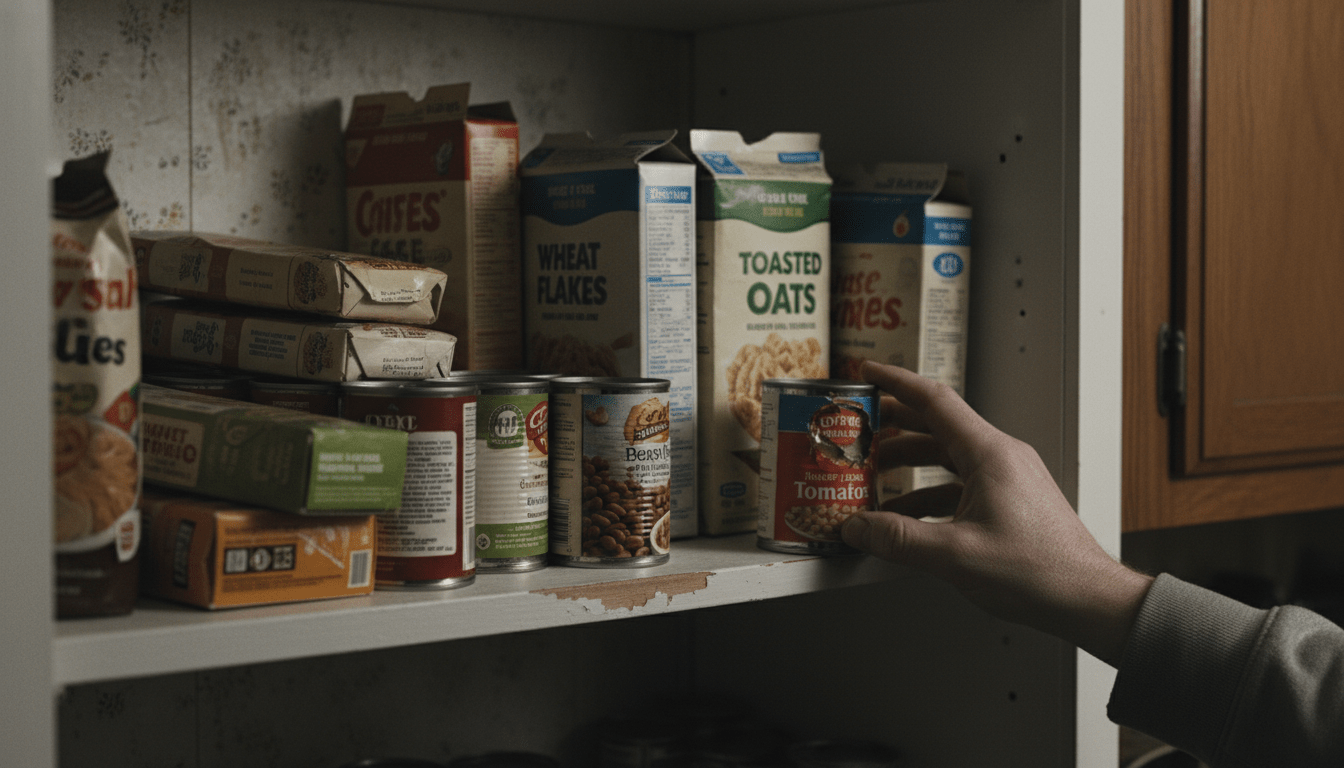
For years, families relied on pantry staples—pasta, cereal, canned foods—to stretch tight budgets. That safety net is fraying. The report warns that the “centre of the store” will also see noticeable price hikes in 2026. Why? Because Canada’s food manufacturing sector is under strain. In 2025, major brands downsized and restructured. Production slowed. Competition shrank. When fewer companies make everyday foods, prices climb—and shoppers pay the price. As the report’s lead author puts it: “The pantry used to protect people from inflation. In 2026, it won’t.”
3. Grocers Aren’t Just Pressuring You—They’re Pressuring Suppliers
It’s easy to blame grocery stores. But the real squeeze often happens before food reaches the shelf. Large grocery chains charge suppliers’ extra fees to do business. Those costs don’t disappear—they bounce back through the system and land on your receipt.
That’s why the new Grocery Code of Conduct, launching fully in January 2026, matters. It aims to create fairer rules between retailers and suppliers. A major turning point came in May 2024 when Loblaw Companies Ltd., Canada’s largest grocer, agreed to support the code. It won’t fix prices overnight—but it’s a crack in the wall.
4. Food Prices Have Broken Away from the Economy
Here’s the part that shocks most people. Canada’s overall inflation rate is expected to settle near 2%. Food prices? Still rising at double that pace. That tells us something important:
High grocery bills are no longer about temporary inflation. They’re about deep structural problems—long supply chains, trade barriers between provinces, rising transportation costs, labour challenges, and the realities of farming across a massive country. Food inflation has become its own problem.
5. Good Intentions Are Creating Hidden Costs
Some price increases come from places meant to help—not hurt.
- Labour policy changes have introduced uncertainty around staffing in food production, even when agriculture is exempt. Uncertainty raises costs.
- New Health Canada rules require milk to contain almost double the vitamin D by the end of 2025. It’s good for public health—but costly for producers. Dairy prices are expected to rise 2% to 4% as a result. Good goals. Real consequences.
A Final Word for Canadian Families
Your grocery bill isn’t rising because you’re buying more. It’s rising because the system behind your food is under pressure—from climate stress, market concentration, policy shifts, and fragile supply chains. The real question for 2026 isn’t just: “How will families afford groceries?”It’s this: Can Canada build a food system that puts people before pressure—and access before profit?Because when food becomes unaffordable, everything else starts to break.